Blog Details
08Jul
Why Nepal Has Been a Spiritual Destination for Over 3,000 Years
For thousands of years, people have traveled to Nepal not simply to cross mountains, but to seek wisdom.
Long before modern wellness retreats, yoga holidays, and meditation programs, Nepal's valleys, forests, and Himalayan foothills drew sages, monks, pilgrims, and scholars searching for a deeper understanding of life. Across different eras and religious traditions, one thing remained remarkably consistent: Nepal became a meeting ground where spirituality was lived rather than merely practiced.
Today, visitors encounter monasteries, temples, prayer flags, and sacred caves across the country. Yet these are not isolated landmarks. They are part of a continuous spiritual landscape shaped over more than two millennia.
The Himalayas Before Buddhism
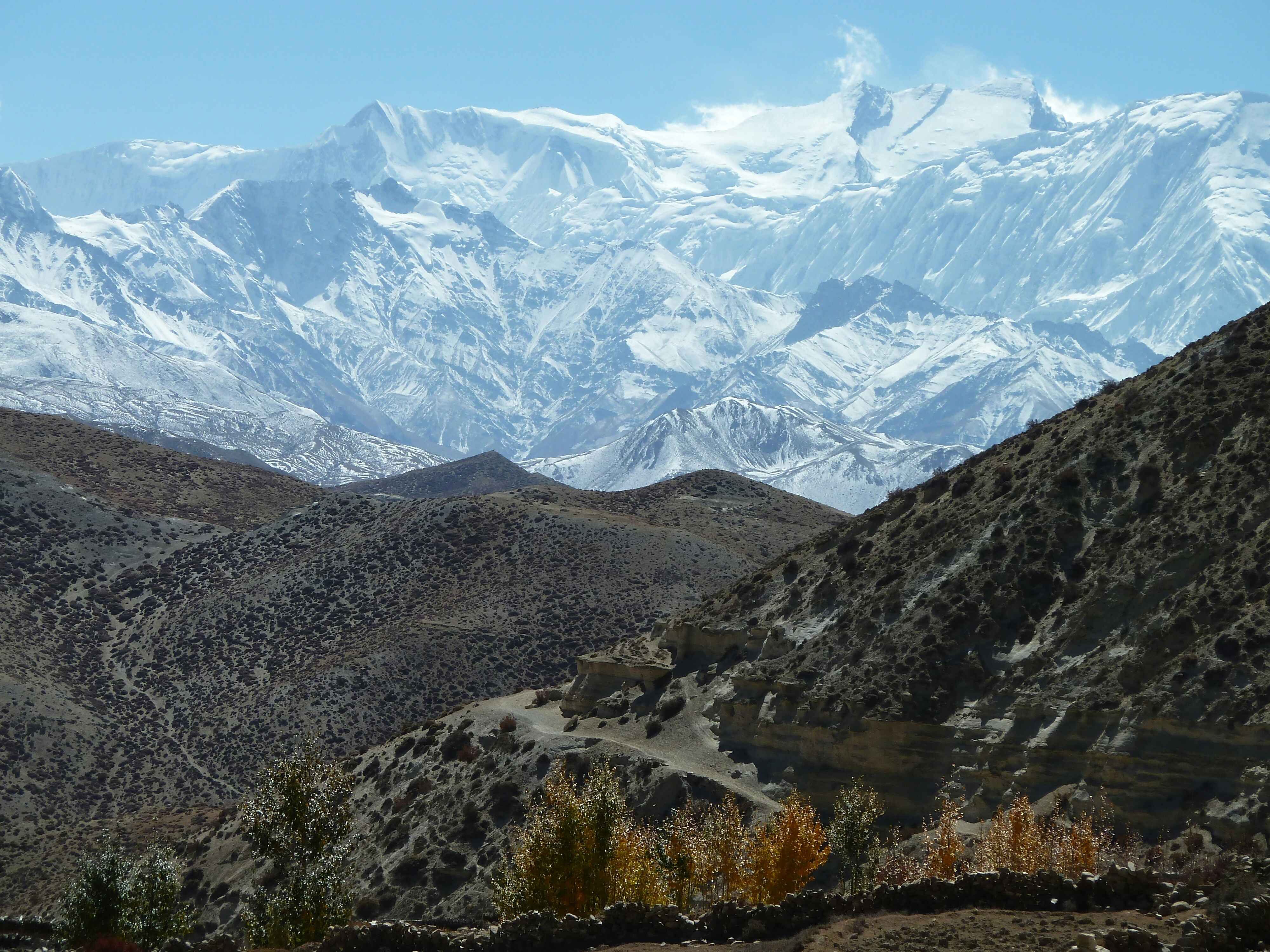
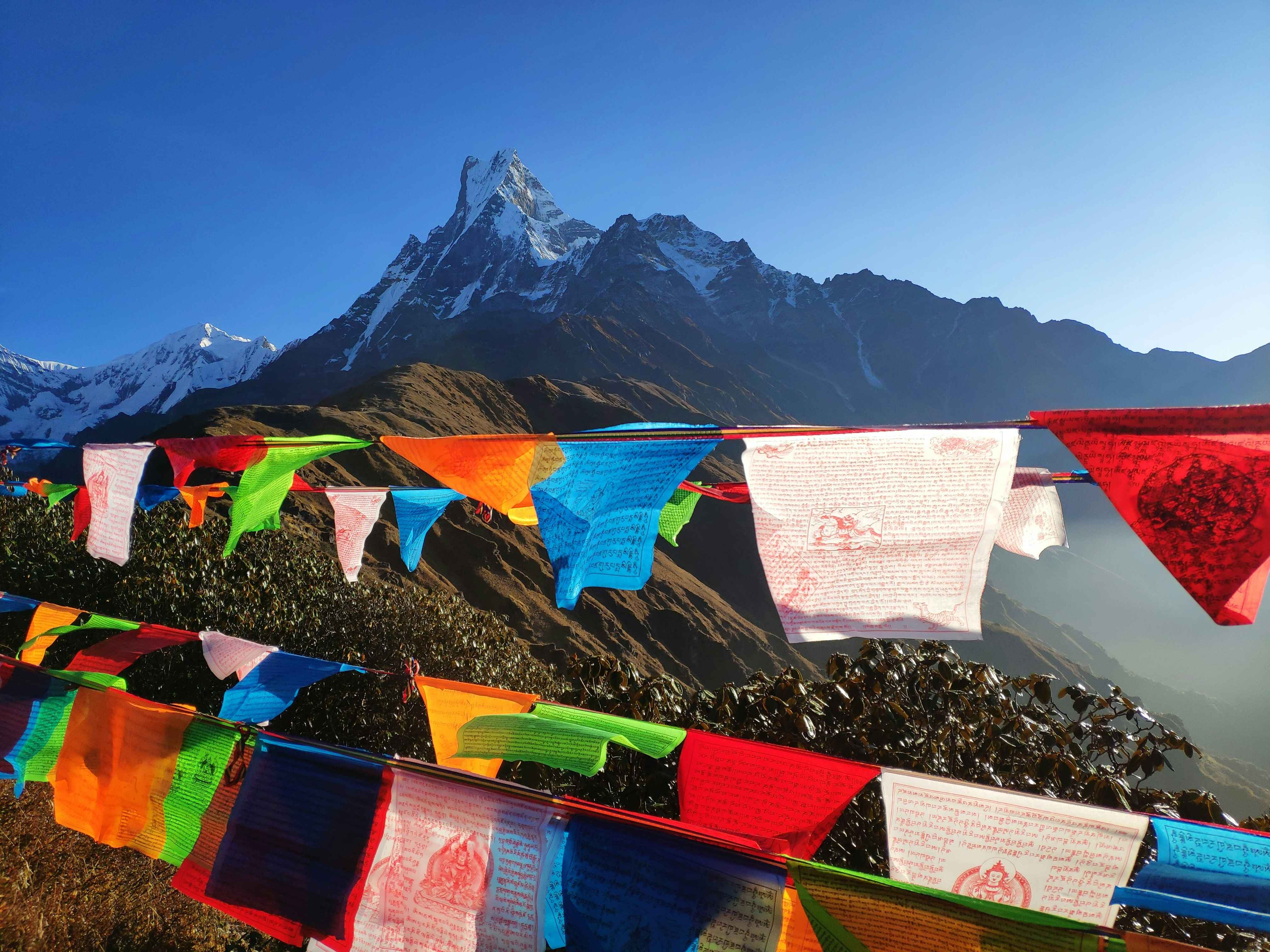
Long before Buddhism spread across the Himalayas, the mountains themselves were regarded as sacred.
In the Vedic period, Himalayan forests were seen as ideal places for contemplation, ascetic practice, and philosophical inquiry. Ancient texts repeatedly describe sages, or rishis, withdrawing into mountain valleys to meditate, study nature, and pursue spiritual knowledge.
The Himalayas represented distance from worldly distractions. Rivers originating in these mountains were revered as sacred, while caves and forests became places where teachers developed ideas that would later influence Hindu philosophy, yoga, and meditation.
Although much of this tradition unfolded across the wider Himalayan region, Nepal's valleys and surrounding hills naturally formed part of this sacred landscape. Even today, many meditation caves associated with ancient practitioners continue to attract pilgrims and seekers.
The Birthplace of the Buddha
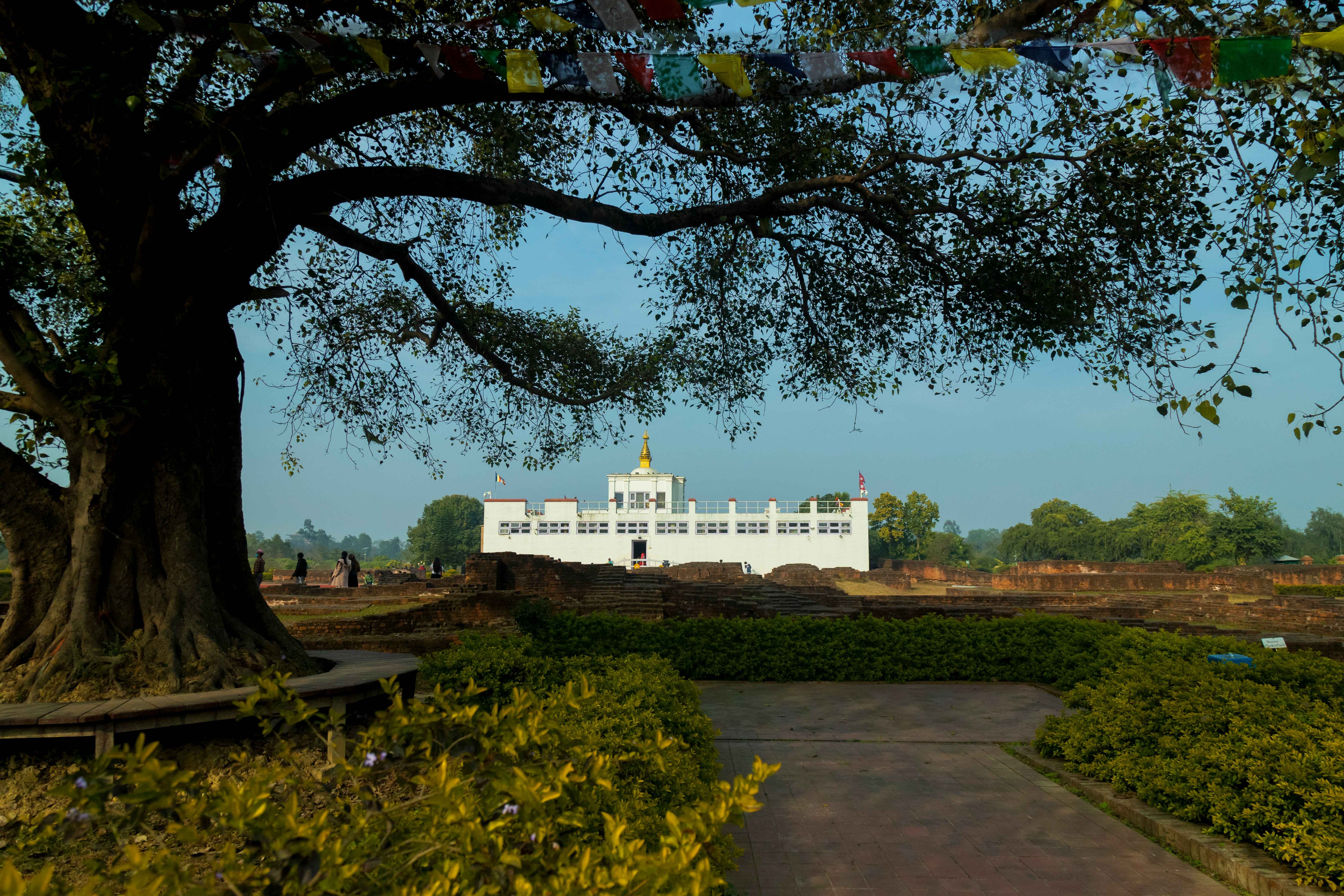
Nepal's place in spiritual history became even more significant with the birth of Siddhartha Gautama in Lumbini during the 6th century BCE.
After attaining enlightenment and becoming the Buddha, his teachings spread across Asia, but Nepal remained deeply connected to his life and legacy. Pilgrims have journeyed to Lumbini for centuries, making it one of the world's oldest continuously revered pilgrimage destinations.
As Buddhism expanded, Nepal evolved into an important crossroads linking the Indian plains with Tibet, Central Asia, and China. Monks, merchants, and scholars traveled these routes carrying not only goods, but also philosophy, art, architecture, and sacred texts.
The Kathmandu Valley soon emerged as one of the region's most important centers of Buddhist learning.
Kathmandu Valley: A Living Center of Buddhism
Between the Licchavi and Malla periods, Buddhism flourished throughout the Kathmandu Valley.
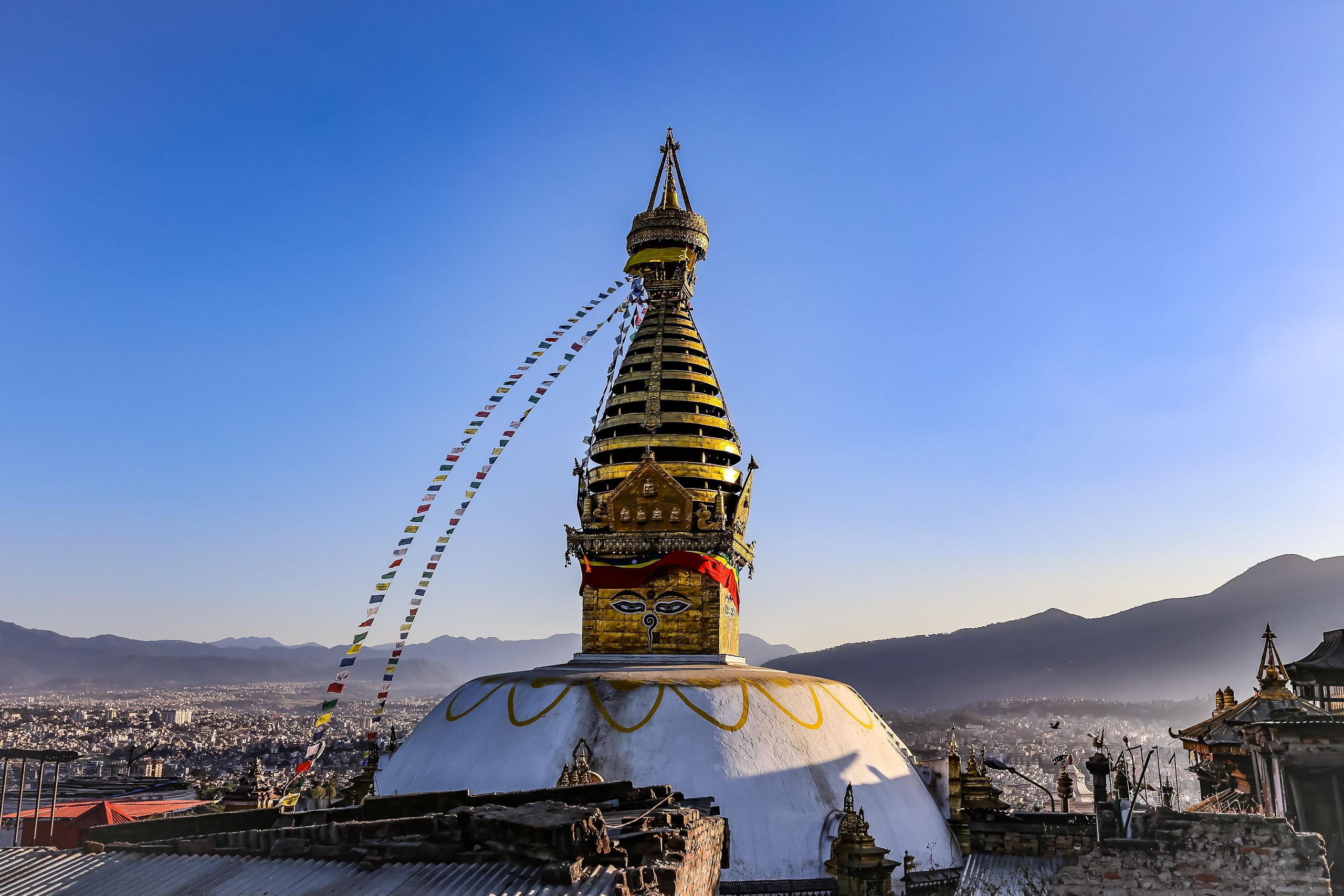
Stone inscriptions, ancient monasteries (bahas and bahis), sculptures, and stupas reveal a remarkably sophisticated religious landscape. Historical inscriptions document the establishment of monasteries, donations from kings and merchants, and communities dedicated to preserving Buddhist learning.
Areas that remain familiar to visitors today—including Boudhanath, Chabahil, Patan, and Swayambhunath—were already important religious centers many centuries ago.
The valley became home to hundreds of monastic institutions where monks studied Buddhist philosophy, copied manuscripts, created sacred art, and taught future generations. Nepal's artisans produced bronze sculptures, paubha paintings, wood carvings, and manuscripts that would later influence Buddhist art throughout the Himalayan world.
Unlike many places where ancient monasteries became ruins, many of Nepal's religious communities have remained active for centuries, allowing traditions to continue uninterrupted.
Padmasambhava and Nepal's Role in Himalayan Buddhism
In the 8th century CE, Nepal assumed another pivotal role in Buddhist history through Guru Padmasambhava, widely revered as Guru Rinpoche.
According to Buddhist tradition, Padmasambhava spent significant time practicing meditation in what is now Pharping, just south of Kathmandu. Sacred caves in the area remain major pilgrimage sites for Buddhists from across the world.
From Nepal, Padmasambhava later journeyed to Tibet, where he played a foundational role in establishing Vajrayana Buddhism. His teachings profoundly shaped Tibetan Buddhism, making Nepal an essential link in one of Asia's most influential spiritual traditions.
Today, Pharping continues to host monasteries, retreat centers, and long-term meditation practitioners, preserving a living tradition that stretches back more than a thousand years.
Where Hinduism and Buddhism Meet
One of Nepal's most remarkable characteristics is that Hinduism and Buddhism have evolved together rather than separately.
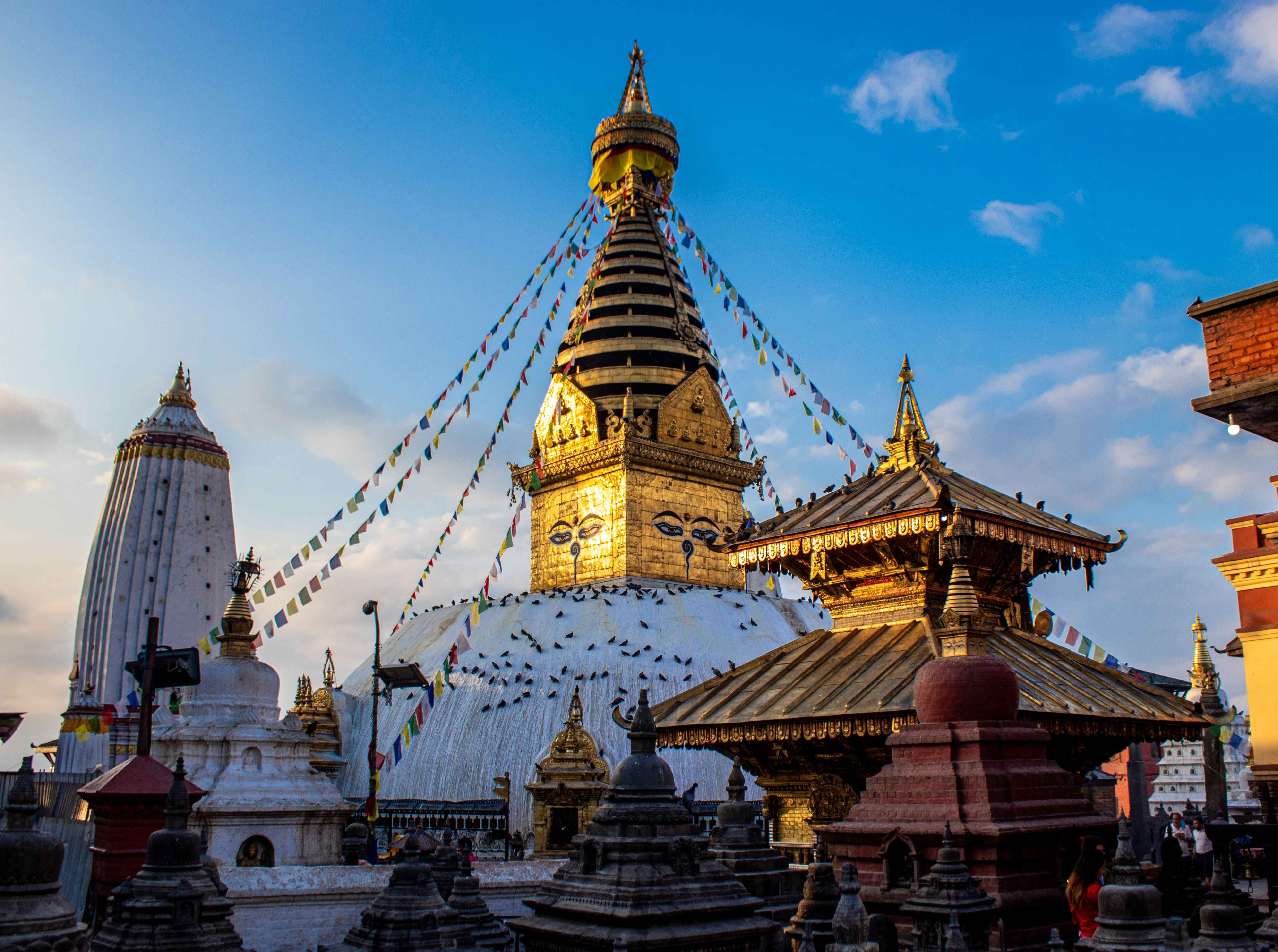
Throughout the Kathmandu Valley, sacred spaces are often shared by both traditions. It is common to see Hindus offering prayers at Buddhist stupas, while Buddhists visit Hindu temples with equal reverence.
Many deities are understood differently within each tradition yet are worshipped side by side. Festivals frequently involve both Buddhist and Hindu communities, while Newar culture has preserved rituals that naturally blend elements of both religions.
Rather than existing in competition, the two traditions have influenced one another for centuries, creating one of the world's most distinctive religious landscapes.
This harmony is something many visitors immediately notice—not through explanation, but through daily life.
The Living Tradition of Yoga and Meditation
Modern yoga studios often present yoga primarily as physical exercise.
In Nepal, its deeper purpose remains closely connected to the traditions from which it emerged.
Meditation, breathwork, mindfulness, ethical living, contemplation, and spiritual discipline continue to be practiced in monasteries, temples, and retreat centers throughout the country. These practices are woven into daily routines rather than reserved for special occasions.
Visitors can participate in guided meditation, monastery stays, silent retreats, yoga programs, or simply spend time in places where spiritual practice continues much as it has for generations.
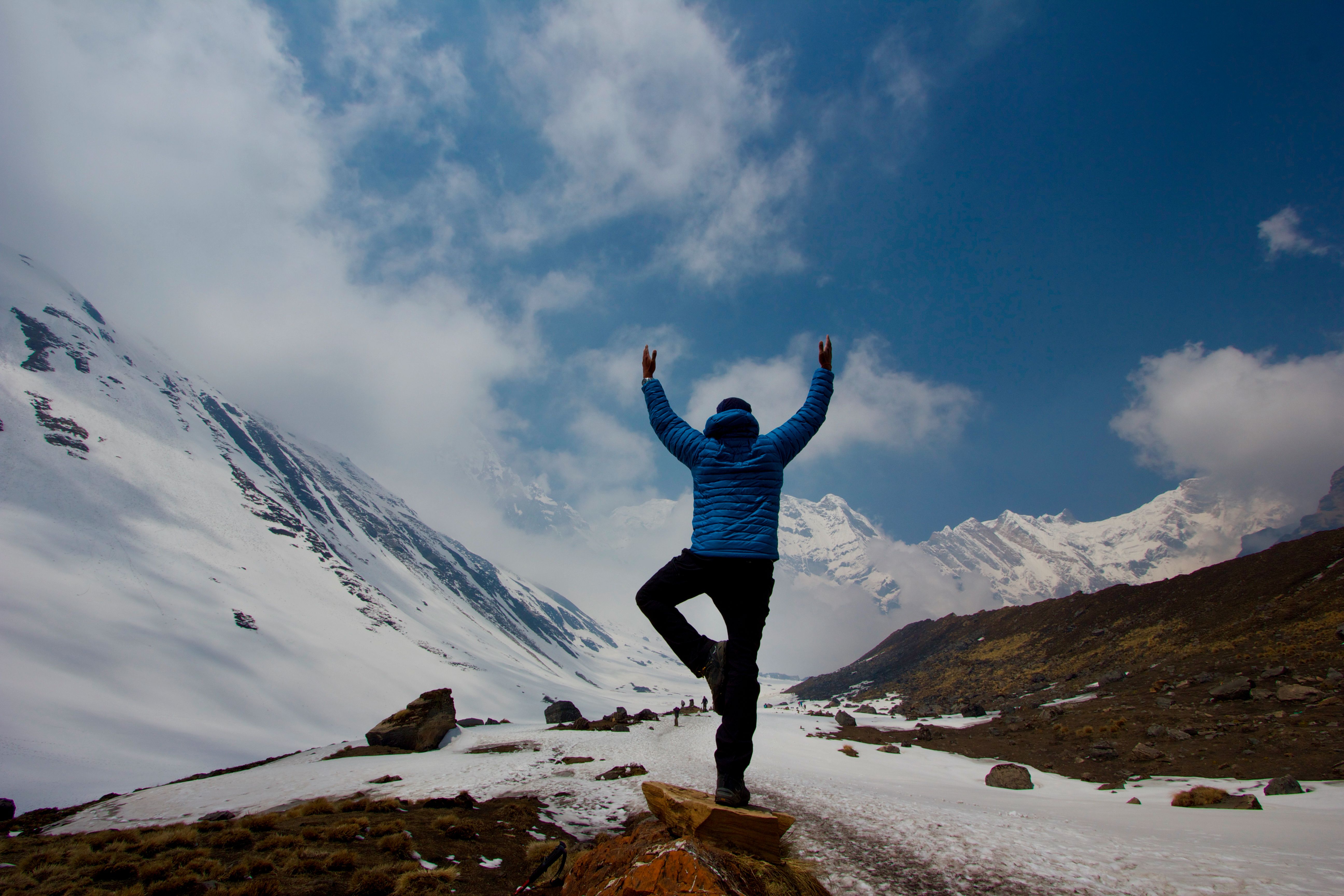
A Landscape That Encourages Reflection
Nepal's spiritual atmosphere is shaped not only by history but also by geography.
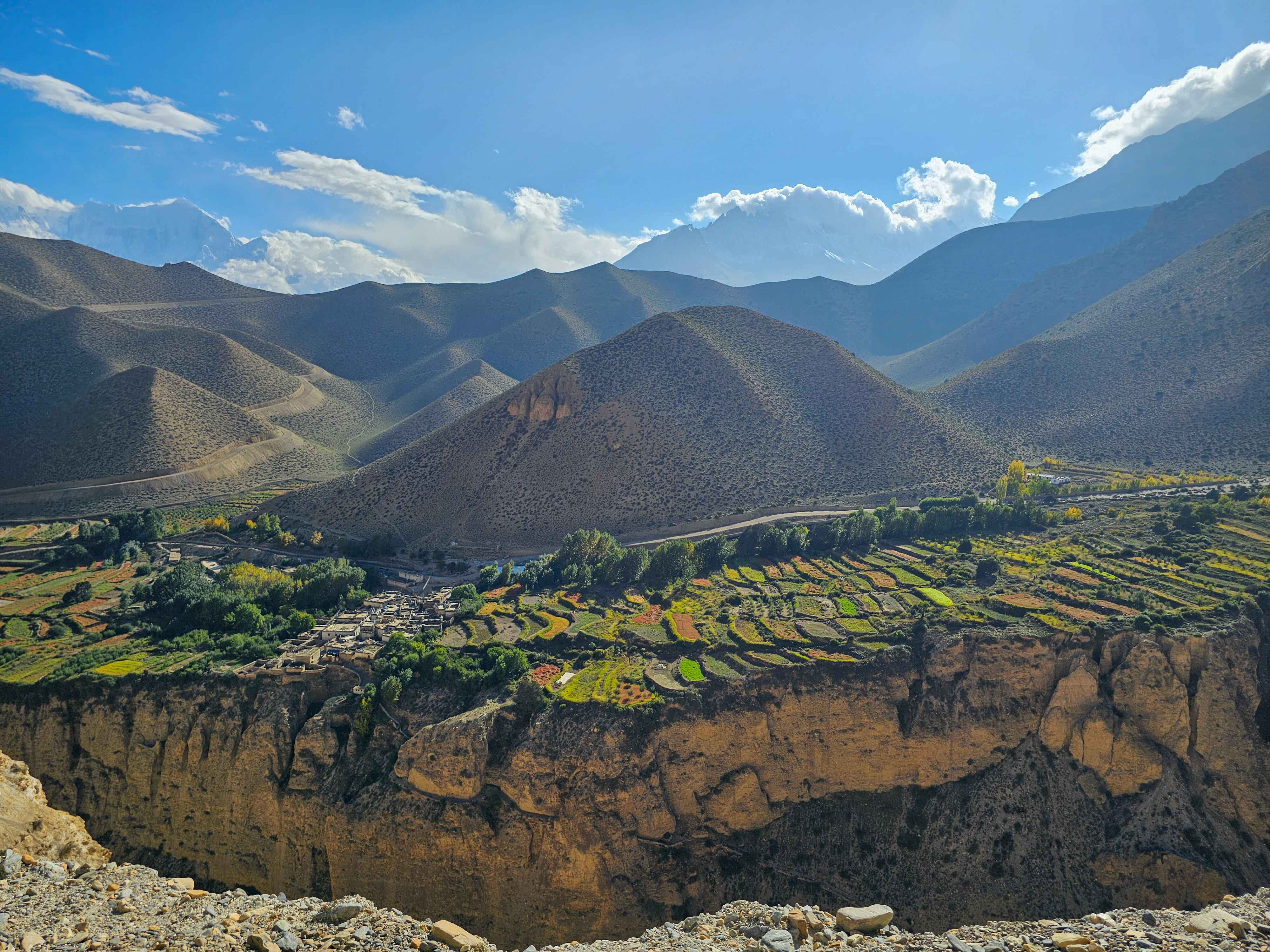
The Himalayas, forests, rivers, terraced hillsides, and remote valleys naturally encourage silence and reflection. Monasteries are often found on ridgelines overlooking vast landscapes, while ancient pilgrimage trails pass through villages where devotional life remains part of everyday routine.
Here, nature is not simply a backdrop for spirituality.
It has always been one of its greatest teachers.
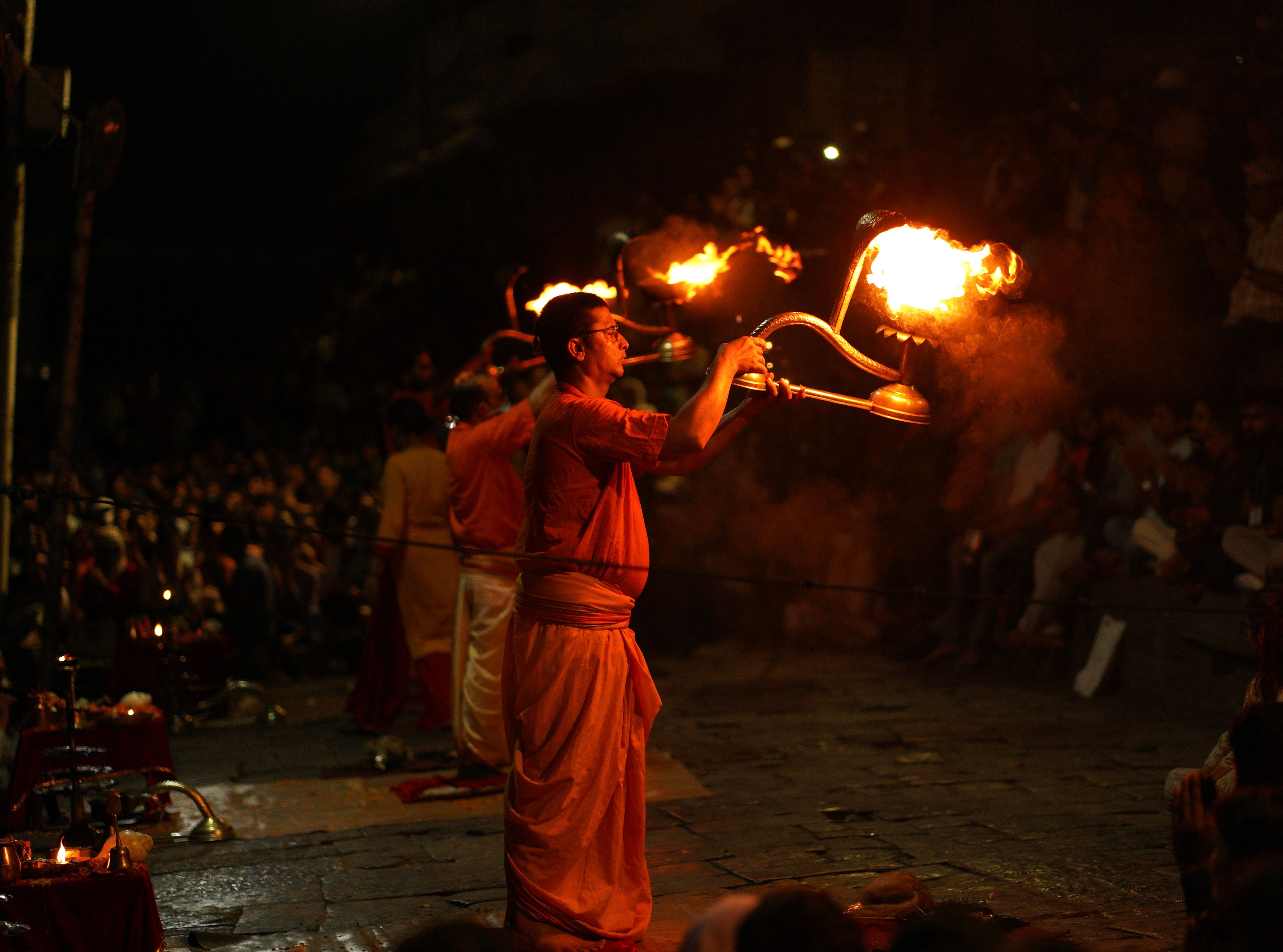
Why Travelers Still Come Today
People continue to visit Nepal for many reasons - its mountains, wildlife, culture, and adventure.
Yet many leave speaking about something less tangible.
The quiet of a monastery courtyard.
Morning prayers echoing across a valley.
Butter lamps flickering inside centuries-old temples.
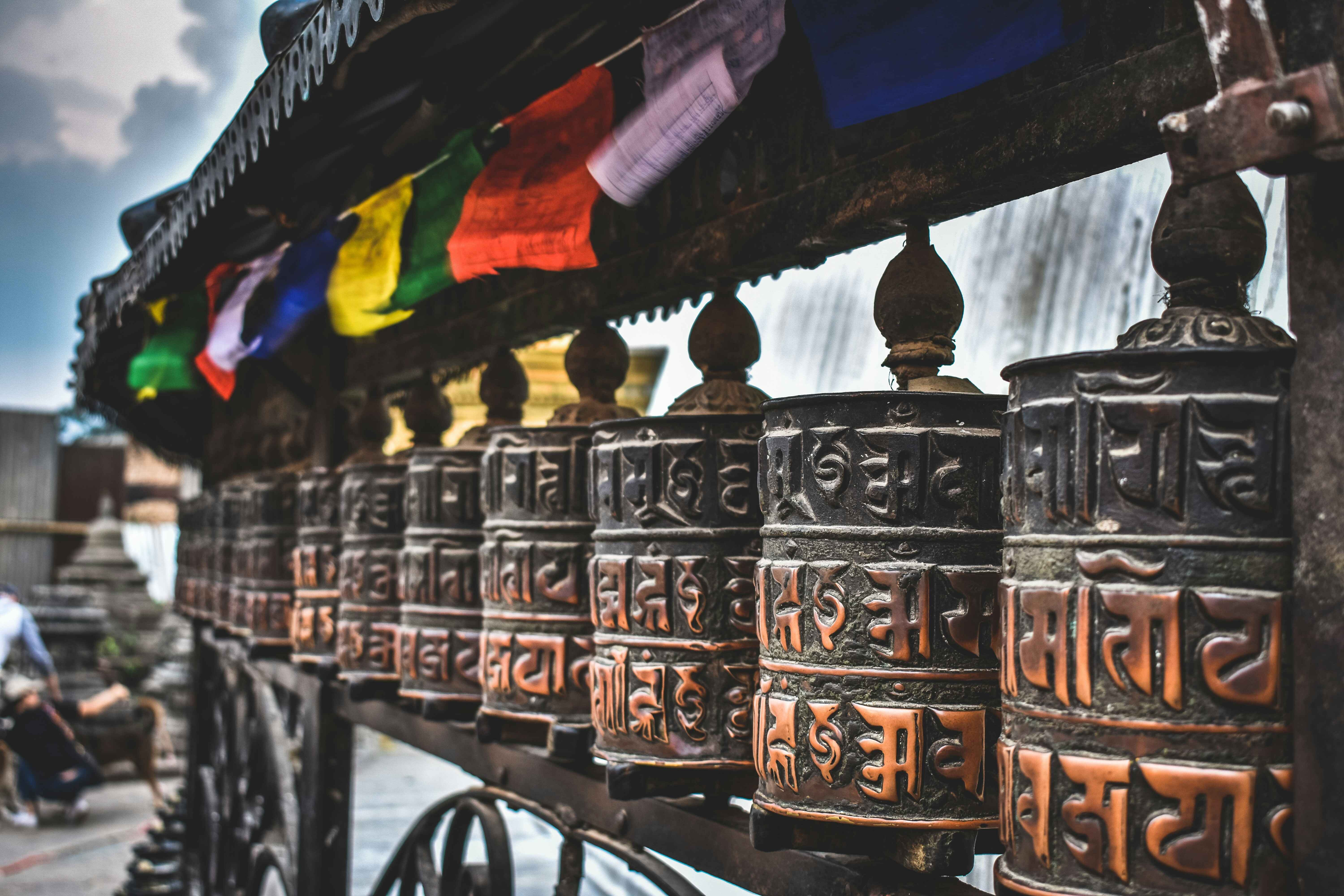
Prayer flags moving in the Himalayan wind.
These experiences cannot be manufactured. They exist because Nepal's spiritual traditions have remained alive across generations.
For more than 3,000 years, this has been a place where philosophy, pilgrimage, meditation, and daily life have unfolded together.
That is why Nepal continues to be one of the world's most meaningful destinations - not only for travel, but for reflection.
Experience the monasteries, meditation, and mindful living you've just read about through our immersive 8-day wellness journey.
Frequently Asked Questions
1. Why has Nepal been a spiritual destination for over 3,000 years?
Nepal's spiritual heritage stretches back to the Vedic period, when the Himalayas were revered as places of meditation and contemplation by sages and ascetics. Over the centuries, Nepal became the birthplace of the Buddha, a center of Buddhist scholarship, and an important destination for pilgrims, monks, and spiritual seekers from across Asia, and today across the Globe.