Blog Details
15Nov
The Horses of Mustang: Understanding Nepal's Traditional Mountain Horses
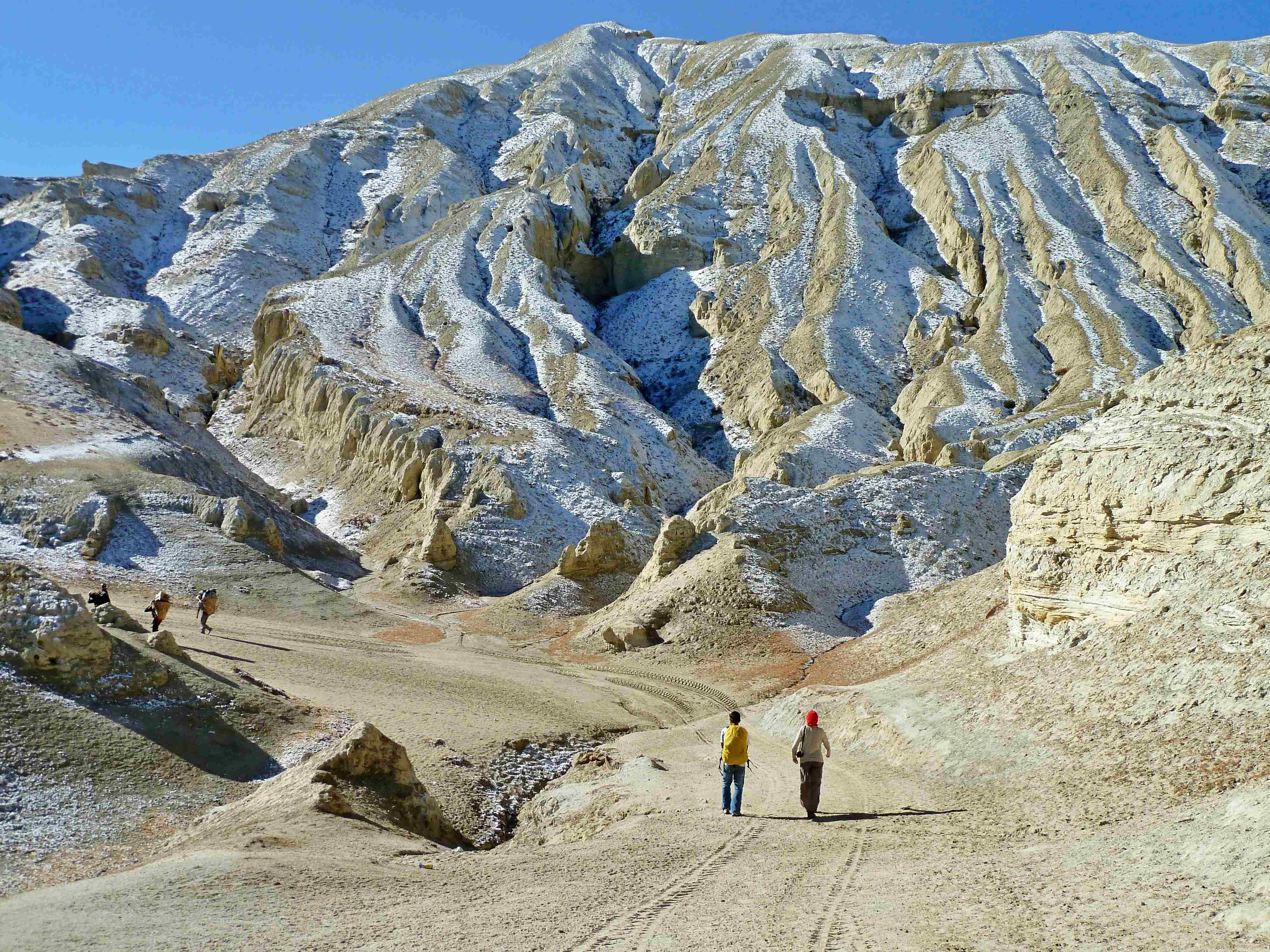
Mustang is a region where horses have been closely connected with everyday life, transportation and trade for generations. Located in the Trans-Himalayan region of northwestern Nepal, Mustang has a landscape of dry valleys, rocky trails, high mountain passes and settlements surrounded by dramatic cliffs. In Upper Mustang, particularly around the historic Kingdom of Lo, horses were once essential for travelling between villages and carrying goods across terrain where modern roads and vehicles were unavailable.
Often referred to as Mustang horses or Tibetan mountain ponies, these relatively small horses are associated with the Himalayan environment and the traditional way of life of local communities. Their compact build, strength and ability to move across uneven mountain paths made them valuable working animals. Unlike larger riding horses commonly seen in other parts of the world, mountain ponies developed within a different geographical and working environment, where endurance, balance and adaptability were particularly important.
Although transportation in Mustang has changed considerably with road development, horses remain part of the region's cultural and rural identity. Their history connects the people of Mustang with the wider Tibetan Plateau, the old trans-Himalayan trading networks and traditional mountain livelihoods. Understanding these horses means looking beyond their physical appearance to explore the history, environment and communities that shaped their role in the Himalayas.
Understanding Mustang Horses: Origins, Breeds and Physical Characteristics
The expression Mustang horse is commonly used to describe the traditional mountain horses found in the Mustang region. They are also frequently described as Tibetan ponies because of the historical and geographical connections between Mustang and the Tibetan Plateau. However, it is important to distinguish regional names from formally recognised horse breeds. Nepal has several indigenous horse populations, but the Mustang horse is not separately established as a scientifically classified indigenous breed in the national livestock reference. The Bhotiya or Bhotia horse is a recognised regional population described as having similarities to the Tibetan pony.
The broader indigenous horse populations documented in Nepal include the Jumli, Bhotia (Bhotiya), Chyanta, Tanghan, Tattu and Terai horses. Each has different geographical associations and physical characteristics. The Jumli horse is particularly associated with Jumla and neighbouring high-hill districts, while the Bhotia horse is described as hardy, intelligent and suited to mountainous and cold environments. The Chyanta is characterised by a compact body, strong back and thick mane, whereas the Tattu is described as a particularly small mountain horse. These names should not be treated as interchangeable with Mustang horses, as they represent different populations.
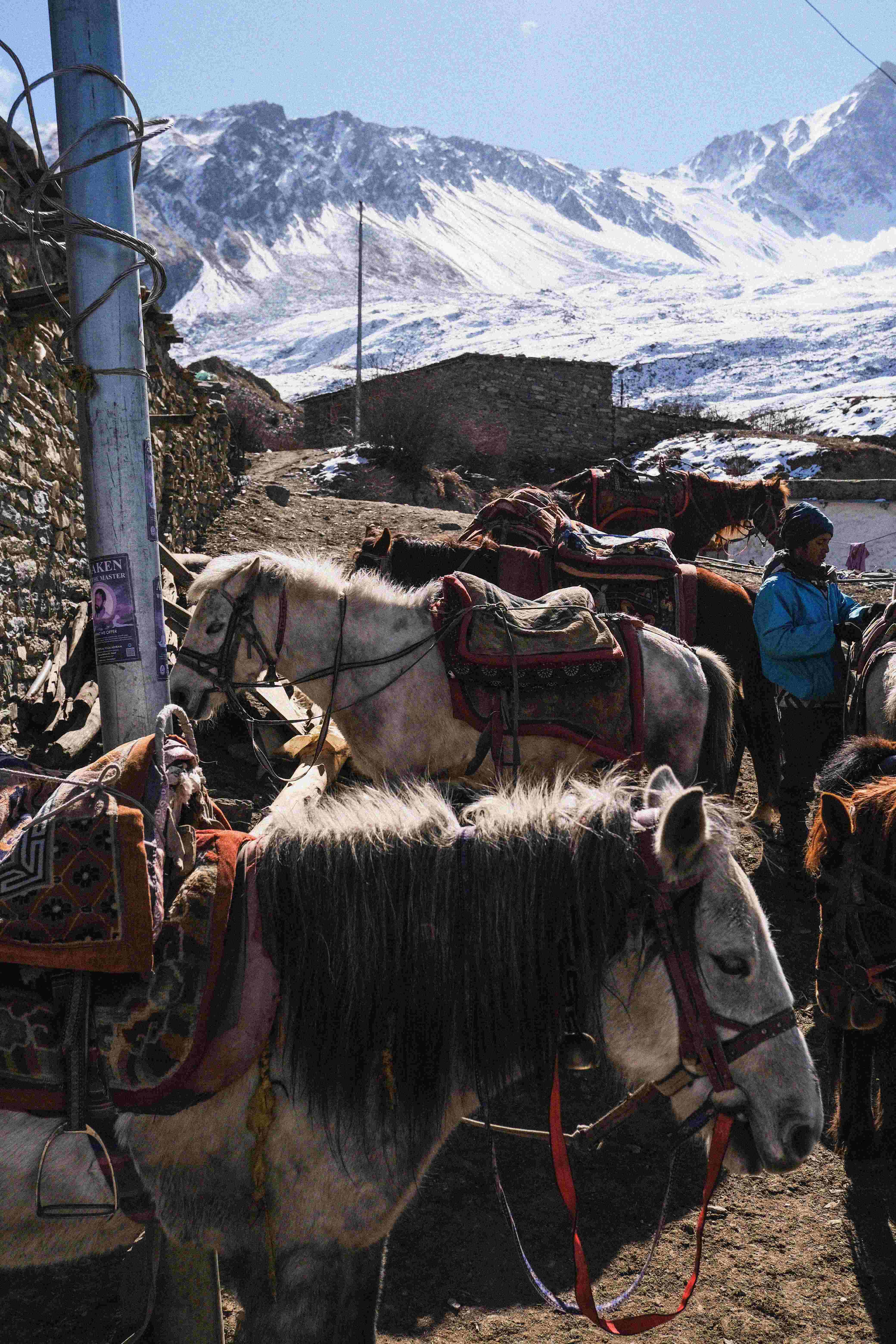
Traditional horses encountered in Mustang are relatively small compared with many conventional riding horses. A commonly cited height for the mountain horses used in the region is approximately 130–140 cm (12–14 hands). Their compact stature, strong bodies and sturdy legs are among the characteristics associated with their working role in mountain environments. Coat colours can vary, including shades of brown, grey, black and chestnut. Their appearance and individual build differ, however, and not every horse in Mustang will have identical physical characteristics.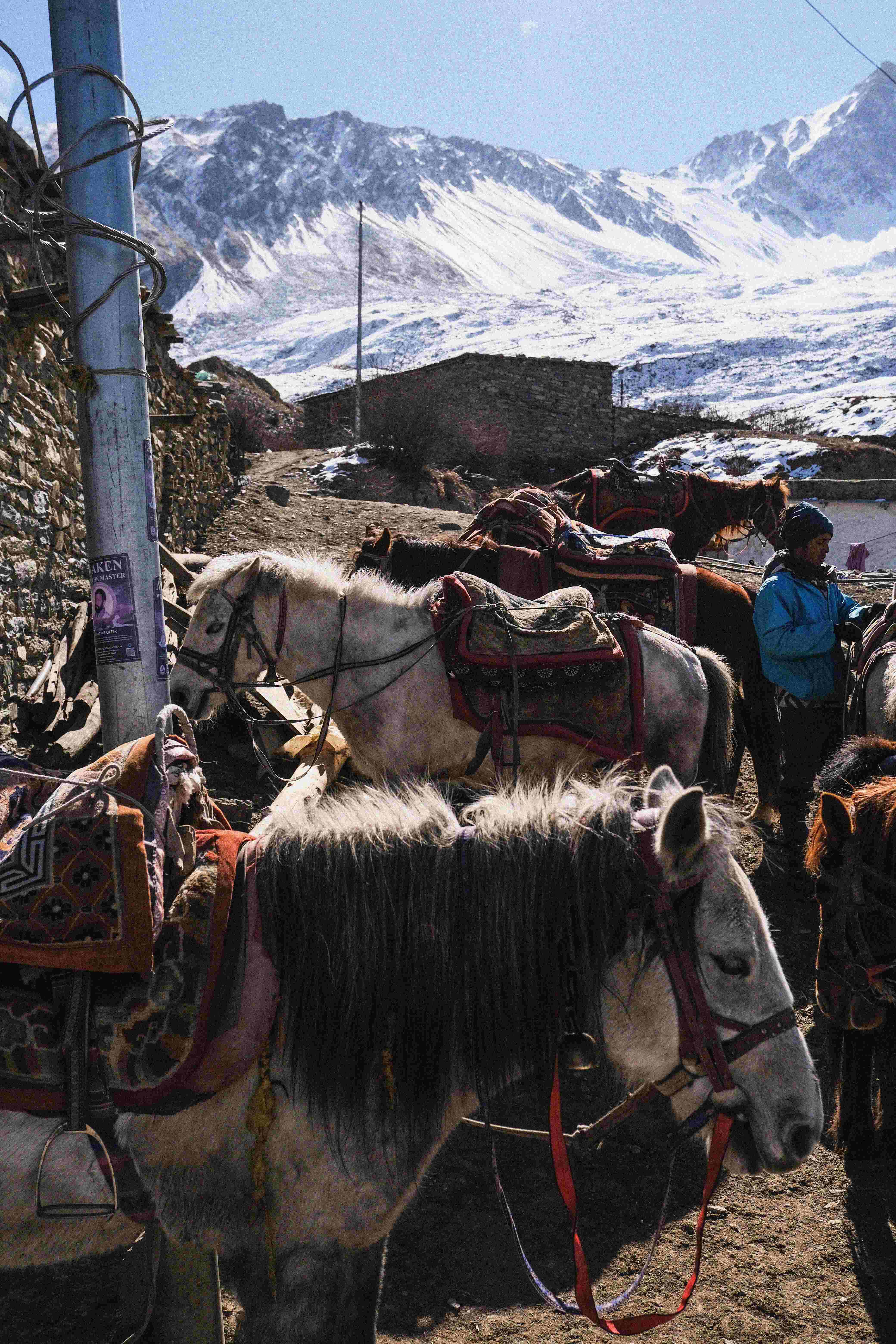
How Mustang Horses Adapt to High-Altitude Mountain Terrain
The geographical environment of Mustang presents considerable challenges for animals and people alike. Upper Mustang lies in the rain shadow of the Annapurna and Dhaulagiri ranges, creating a dry, cold and windy environment with limited vegetation across much of the landscape. Winters can be particularly harsh, while the summer growing season is relatively short. Horses working in this environment need to cope with changing temperatures, exposed trails and uneven ground.
One of the important characteristics associated with mountain horses is their ability to move across difficult terrain. Rocky paths, loose gravel, narrow trails and riverbeds require balance and careful foot placement. Their relatively compact bodies can be useful when navigating confined mountain routes, although the suitability of an individual horse depends on its physical condition, training and experience. Being raised in a mountain environment does not automatically make every horse suitable for every route or riding condition.
Cold-weather adaptation is another important aspect of traditional mountain horse management. A thick winter coat helps horses cope with colder conditions, while their daily feeding, shelter and workload must be adjusted according to the season. The ability to work in the mountains is not simply a natural characteristic; it also depends on how horses are raised, handled and cared for. Their experience with local trails and their relationship with familiar horse handlers are important parts of their working ability.
The Historical Role of Horses in Mustang's Trade and Daily Life
For centuries, Mustang occupied an important position along the trans-Himalayan trade routes connecting the Nepalese lowlands with Tibet. The Kali Gandaki Corridor provided a passage through the Himalayas where traders moved goods between different regions. Salt from the Tibetan Plateau was exchanged for grains and other products from the lower regions, while wool, tea, textiles and everyday supplies also formed part of the wider trading economy. Horses were valuable in this environment because they could carry people and goods across mountain routes.
The historic Kingdom of Lo, centred around Lo Manthang, was closely connected with these networks. Horses were important for communication and movement between settlements, particularly when travelling across long distances or visiting neighbouring communities. Mustang's connections with Tibet also influenced its horse culture. Historical accounts describe how horses were acquired through Tibetan traders, reflecting the movement of animals, people and goods across the northern Himalayan frontier.
Beyond trade, horses served practical purposes in household and community life. They helped transport agricultural products, supplies and other necessities between settlements. In a region where farming, livestock rearing and trade were important sources of livelihood, a working horse could be a valuable household asset. Horses also made it easier for people to travel between remote villages and reach places that would otherwise require long journeys on foot. Their importance was therefore both economic and cultural.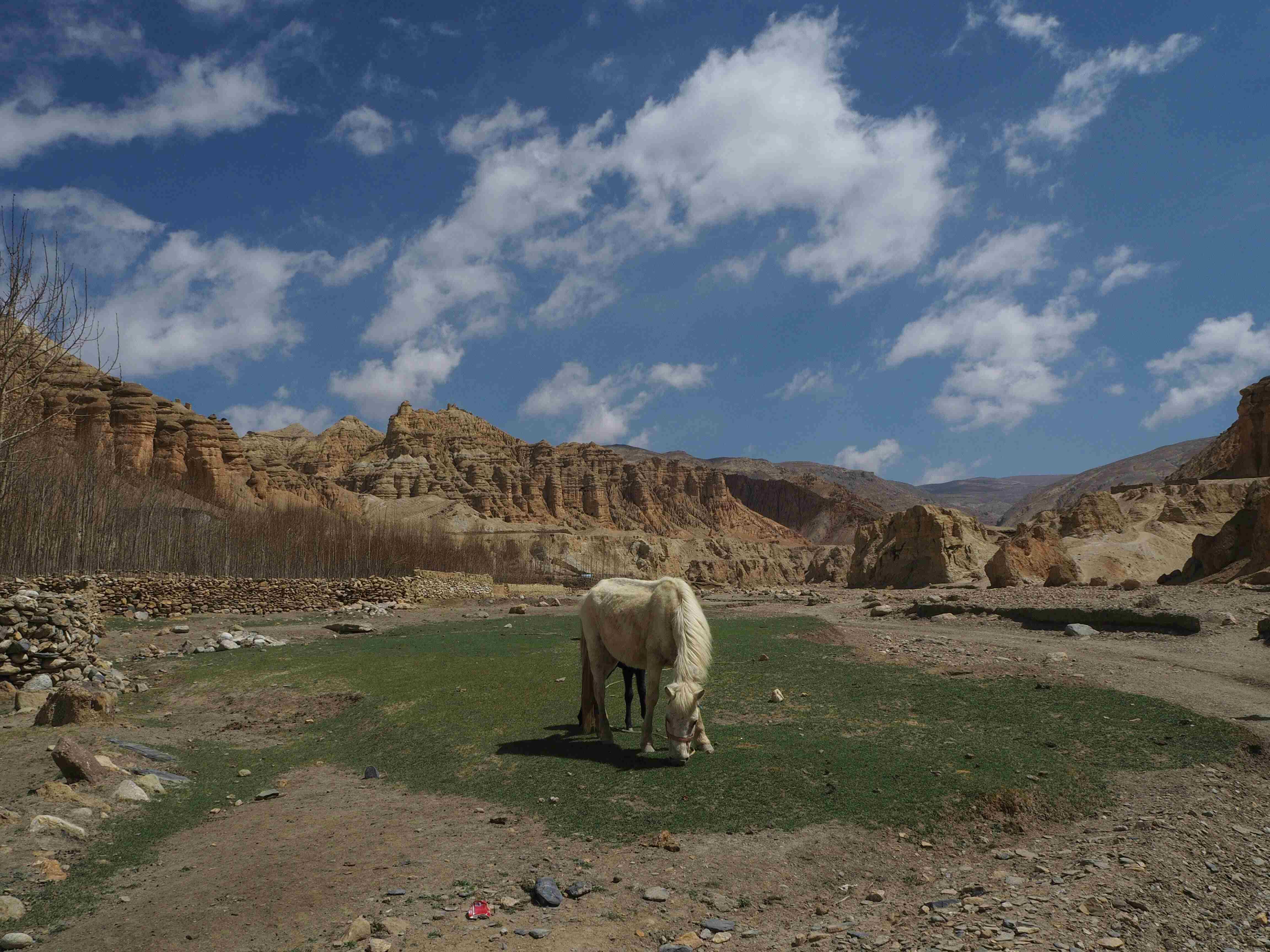
Local Horsemen, Traditional Equipment and Horse Handling
The relationship between Mustang's horsemen and their animals developed through generations of practical experience. Understanding the local terrain, recognising a horse's behaviour and knowing how to manage it during long journeys were essential skills. Traditional horse handlers learned to work with animals that were accustomed to particular routes, weather conditions and working routines. This knowledge was passed through everyday practice rather than relying entirely on formal riding instruction.
Traditional Tibetan-style riding equipment is another part of the region's horse culture. The saddle, harness, bridle and other fittings reflect the wider equestrian traditions of the Himalayan and Tibetan regions. Traditional saddles may incorporate wooden frames and layers of cushioning, including textiles or carpets, to provide a riding position suited to local practices. The equipment used can vary between households and horse handlers, and traditional tack should be fitted properly to avoid discomfort or injury.
Horse handling involves much more than placing a saddle on an animal and beginning a journey. A suitable horse must be comfortable with its rider, responsive to instructions and physically capable of the day's work. The handler also needs to consider the route, ground conditions, riding duration and the animal's condition. Proper fitting of equipment, regular checks and adequate rest are important aspects of responsible horse management, particularly when travelling over several days in the mountains.
What Do Mustang Horses Eat? Feeding and Everyday Care
Feeding horses in Mustang is closely connected with the region's climate and agricultural conditions. The high-altitude environment has limited natural vegetation compared with greener parts of Nepal, and pasture availability changes throughout the year. Horses require a suitable supply of forage, including grasses and dried fodder such as hay. Their nutritional needs depend on their size, age, health and level of physical activity.
In Upper Mustang, traditional livestock management does not involve every animal grazing freely throughout the day. Historical accounts of local animal husbandry describe horses as generally being stall-fed and taken to pastures occasionally. This is an important distinction because grazing patterns differ between livestock species and depend on available land and seasonal conditions. Depending on local availability and the horse's workload, supplementary feed may also be necessary. Barley and other locally available grains can form part of animal feeding practices, but the amount and suitability must depend on the animal's nutritional requirements rather than assuming that every horse follows the same diet.
Daily care is equally important. Horses need clean drinking water, suitable shelter, regular feeding and enough time to rest. Their hooves should be checked for damage, stones and signs of infection, particularly after travelling over rocky ground. Owners and handlers should also monitor body condition, appetite, movement and signs of fatigue. During colder months, adequate shelter and sufficient feed become especially important because maintaining body condition in a cold mountain environment can require additional energy.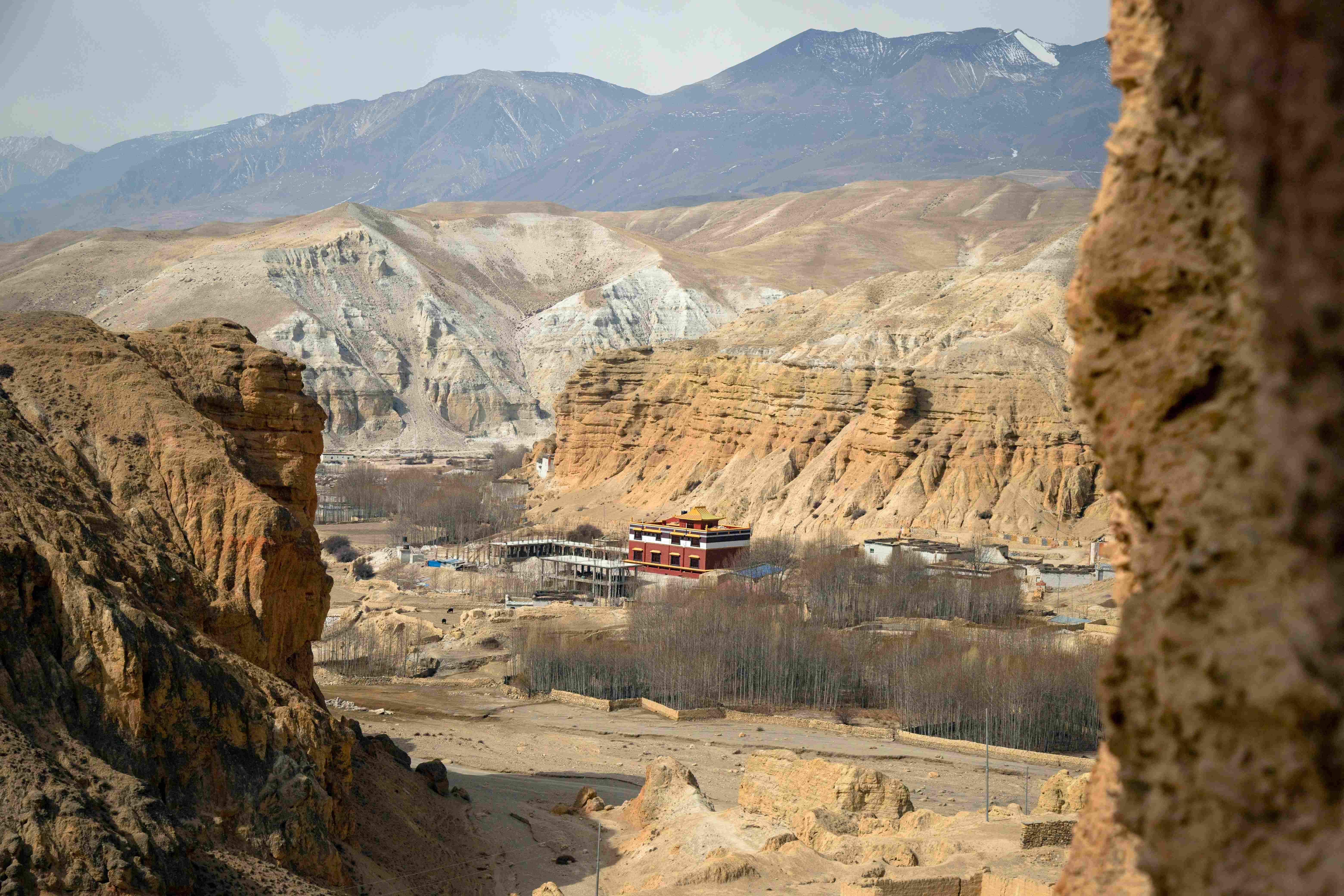
How Roads and Modernisation Have Changed Horse Culture in Mustang
For a long time, horses were among the most practical means of transportation in Mustang. Mountain trails connected settlements, while traders and local households depended on pack animals to move goods across difficult terrain. As road networks expanded, however, vehicles gradually began replacing horses for many transportation activities. Jeeps, tractors and other motor vehicles can now reach settlements that were once accessible mainly on foot or with pack animals.
This transformation has changed the economic role of horses and their owners. Transportation that once required several animals and considerable time can now be completed by road in many parts of the region. As a result, the demand for horses as everyday working animals has declined in some communities. The wider decline in the use and population of indigenous horses in Nepal is also associated with changing transport systems and reduced traditional demand.
Nevertheless, the arrival of roads has not made horses irrelevant. They continue to be used in certain mountain communities, and horse riding remains connected with local festivals, traditional practices and tourism. The changing role of horses reflects a broader transformation in Mustang, where traditional livelihoods increasingly exist alongside modern transportation, education, migration and tourism. Their continued presence provides a connection with an important part of the region's history.
Mustang Horses and Their Role in Horseback Riding in Nepal
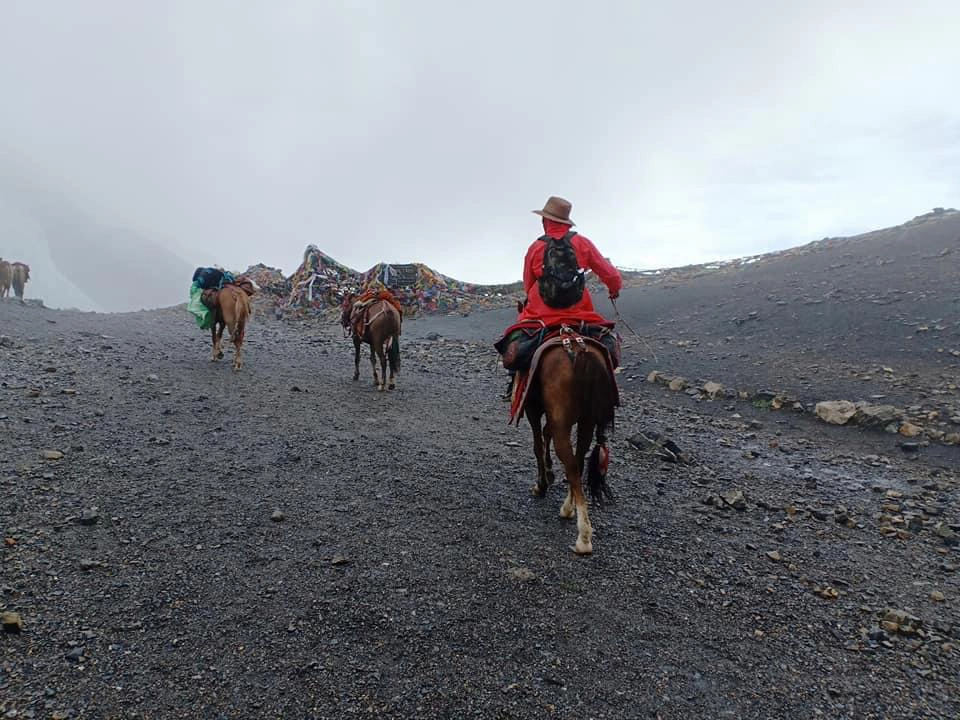
Horseback riding in Mustang offers a different experience from riding in many conventional equestrian destinations. Instead of wide riding arenas or maintained equestrian trails, the landscape includes narrow mountain paths, rocky slopes, open valleys and sections of uneven ground. Traditional mountain horses are associated with these environments because of their working history and familiarity with local terrain. Their compact size and mountain experience make them interesting companions for exploring the region on horseback.
The journey through Mustang also brings riders closer to the geographical and cultural character of the region. Depending on the route, the landscape may include the Kali Gandaki Valley, traditional settlements, barren hills, agricultural fields and ancient monasteries. Places such as Kagbeni, Chhusang, Chele, Samar, Ghami, Dhakmar, Tsarang and Lo Manthang form part of the historic Upper Mustang landscape. These settlements reveal different aspects of the region's architecture, Tibetan-influenced culture and relationship with the surrounding mountains.
Riding a mountain horse also requires a different understanding of the experience. The horse's size, temperament, physical condition and previous working experience all matter when selecting an appropriate animal. Traditional mountain horses are not automatically suitable for every rider, and a horse that is comfortable carrying one person may not be suitable for another. Experienced horse handlers, appropriate equipment, a suitable route and realistic riding hours are essential for a safe and comfortable journey.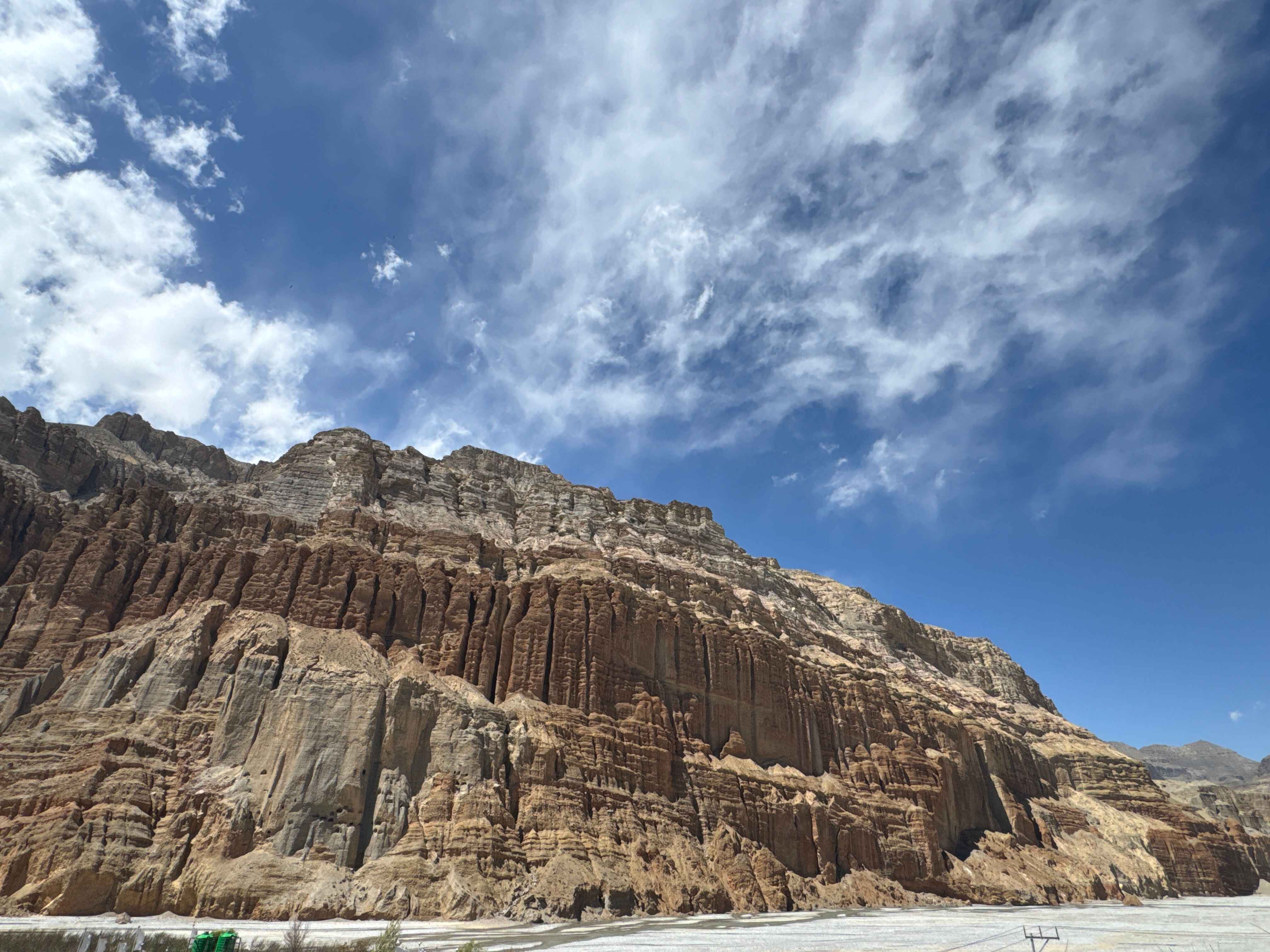
Understanding the Physical Capabilities and Limitations of Mustang Horses
Although Mustang horses are relatively small, their size should not be mistaken for a lack of strength. Their traditional working role required them to carry people and supplies across challenging mountain routes. A compact body and sturdy build can be advantageous in certain terrain, but physical ability varies considerably between individual animals. Age, fitness, body condition, training and previous workload all influence how much a horse can comfortably carry and how long it can work.
Rider weight is an important consideration in horseback riding. A commonly used guideline for the horses described in Mustang is a rider weight range of approximately 70–75 kg (154–165 lbs). This should be understood as a practical limit for a particular riding context, not a universal scientific weight capacity for every Mustang horse. The appropriate load must also account for the saddle and equipment, the horse's condition, the rider's balance and the difficulty of the route.
Long-distance riding requires careful management of the horse's workload. Continuous riding over rocky trails, steep climbs and high-altitude terrain can place considerable physical demands on an animal. Regular breaks, adequate water, suitable feeding and sufficient recovery time are essential. A horse should never be expected to continue working when it shows signs of exhaustion, discomfort or injury. Respecting these limitations is an important part of preserving the strength and working ability of traditional mountain horses.
Preserving Mustang's Traditional Horse Culture
Mustang's horse culture is connected with a wider history of trade, migration, mountain livelihoods and cultural exchange with Tibet. Traditional horse handling, riding equipment and knowledge of mountain routes are all parts of this heritage. These practices developed in response to the region's geography and the needs of communities living in a relatively isolated Himalayan environment. Preserving this knowledge is important for understanding how people adapted to life in the mountains over generations.
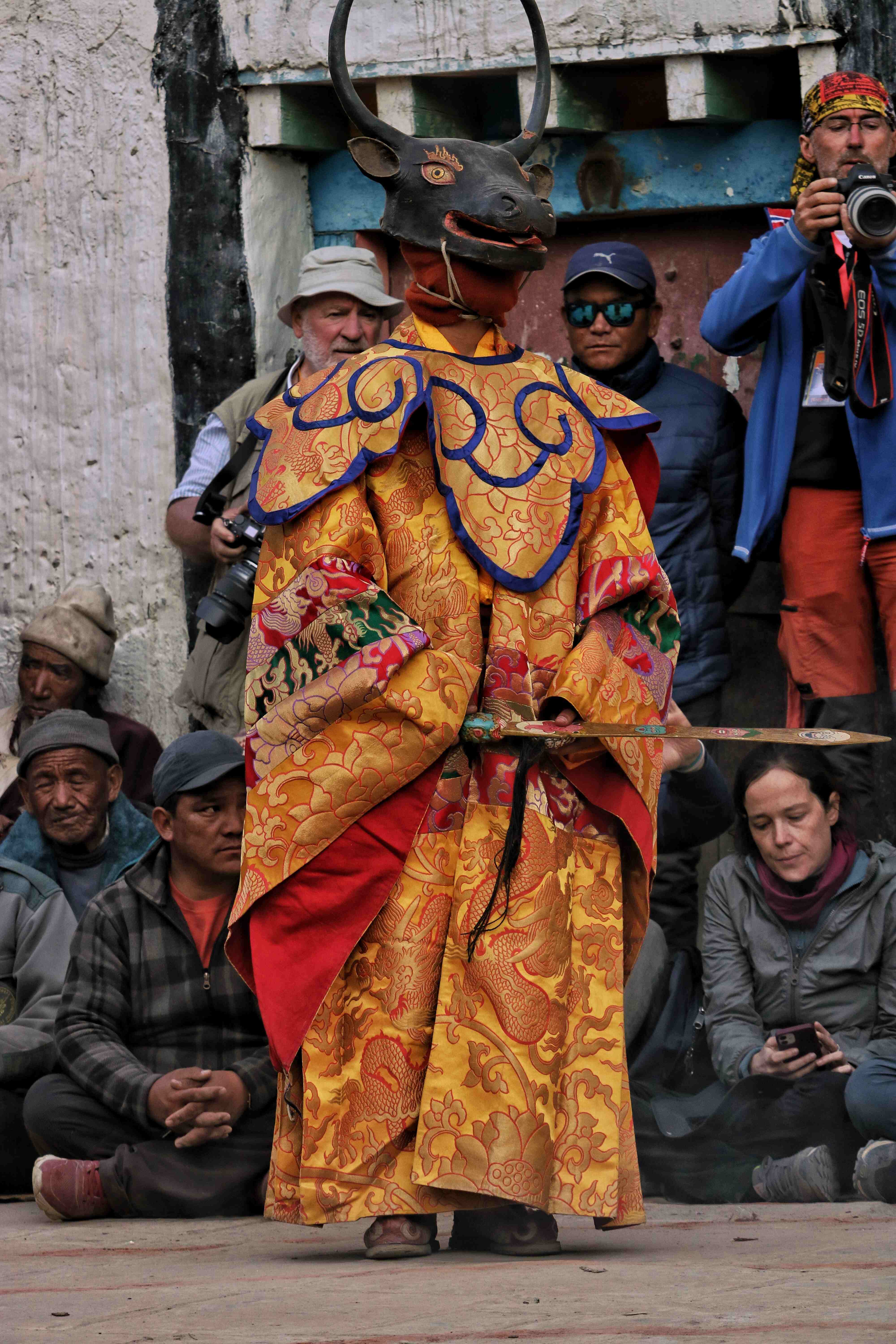
Festivals also demonstrate the continuing cultural importance of horses in the Himalayan region. One notable example is Yartung, a traditional horse festival celebrated in Mustang. Associated with horse racing and local festivities, Yartung brings together elements of horsemanship, community gatherings and cultural celebration. It reflects the relationship between horses and local identity beyond their practical role in transportation.
Today, the future of Mustang's traditional horses depends on how their role develops alongside modern changes. Supporting local horse owners, maintaining traditional knowledge and ensuring appropriate animal care can help keep horse culture relevant. Tourism and horseback riding can provide an additional purpose for some working horses, but this must go hand in hand with suitable workloads, proper feeding and responsible handling. The value of Mustang's horses lies not only in their ability to travel through difficult terrain, but also in the history and traditions they represent.
Experience the Himalayas on Horseback
Frequently Asked Questions
1. What breed of horses are found in Mustang, Nepal?
Horses found in Mustang are commonly referred to as Mustang horses or Tibetan mountain ponies. They are associated with the wider Himalayan and Tibetan horse traditions. Nepal also has indigenous horse populations such as the Bhotia and Jumli, which have their own regional characteristics.