Blog Details
12Nov
Horseback Trekking in Nepal: What Happens During a Typical Day on the Trail?
Horseback trekking in Nepal offers a different way to experience the Himalayan landscape, particularly in the remote valleys of Mustang. Beyond the excitement of riding through mountain trails, the experience involves a daily rhythm shaped by the horses, horsemen, mountain settlements and changing terrain. Each day brings a combination of riding, resting, exploring villages and spending time in the mountains.
A typical day on a horse trek in Mustang is not simply about covering distance on horseback. It begins with preparing for the journey, understanding the trail ahead and meeting the horsemen who accompany the group. There are also regular breaks for meals and rest, while the evenings offer an opportunity to experience life in traditional mountain villages. Although the exact routine varies depending on the route, weather and altitude, the following gives an idea of what a day on a horseback trek in Mustang generally looks like.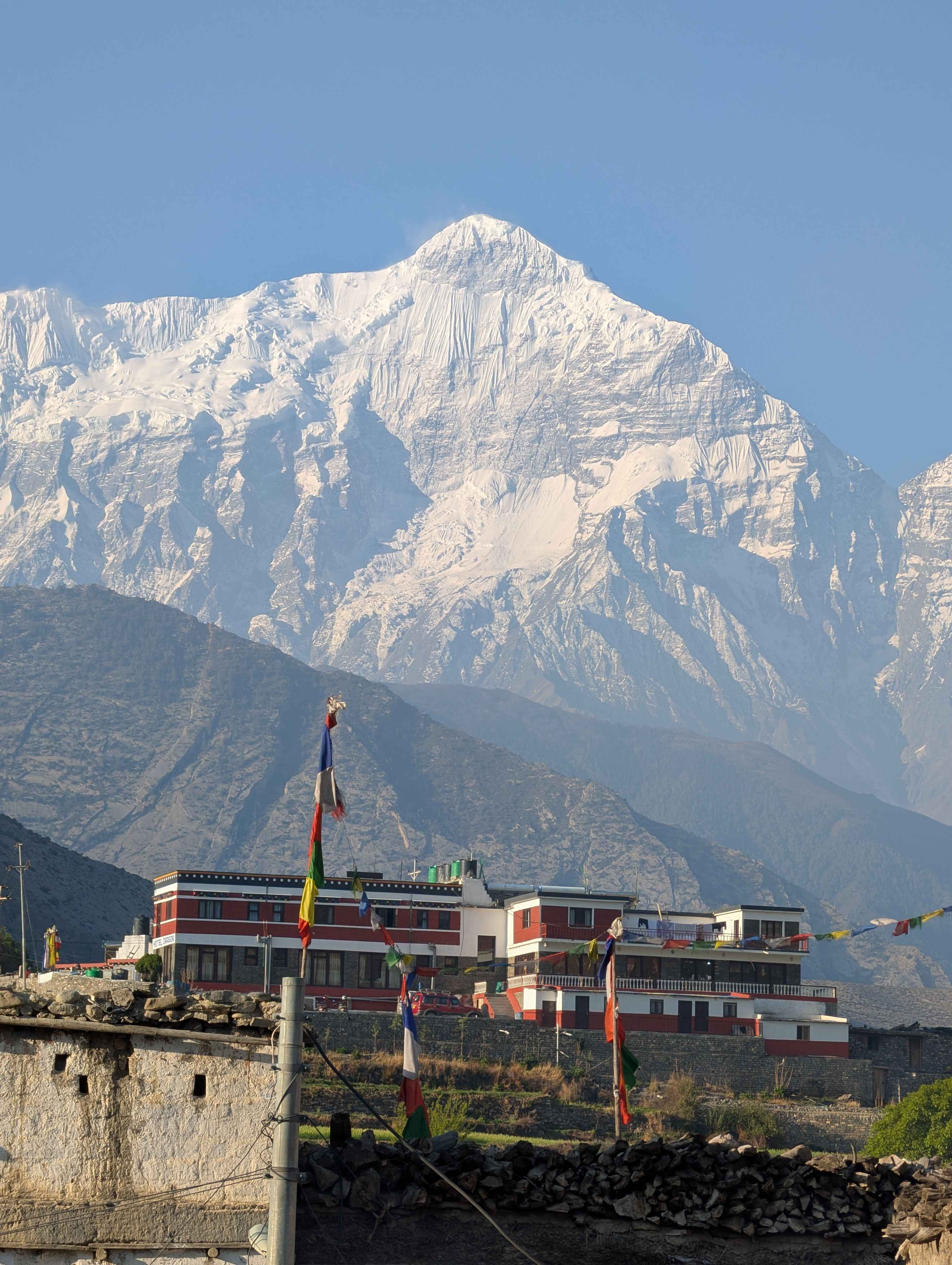
Morning in the Mountains: Breakfast and Preparing for the Day
Mornings in Mustang usually begin early, particularly when there is a long riding day ahead. After waking up at the mountain lodge or teahouse, travellers have breakfast before getting ready for the journey. Depending on the village and available facilities, breakfast may include eggs, bread, porridge, Tibetan bread, pancakes, tea or coffee. The morning atmosphere can be quite different from the warmer lower valleys, with cold mountain air, quiet village surroundings and views of the surrounding hills.
Before setting off, the trekking guide provides a briefing about the day ahead. This generally includes the approximate riding duration, distance, trail conditions, elevation changes and the type of terrain expected along the way. Some sections may involve open valleys and relatively gentle paths, while others can include rocky tracks, narrow mountain trails or uphill and downhill stretches. The guide also checks how everyone is feeling, particularly at higher elevations. Depending on the altitude, individual health conditions and how travellers are adjusting, monitoring may include checking oxygen saturation levels.
Once breakfast and the morning preparations are complete, travellers gather their essential belongings and prepare to meet the horsemen. It is useful to carry water, sunglasses, sunscreen, a warm layer and other personal essentials in a small daypack. Weather conditions in Mustang can change throughout the day, and temperatures may vary considerably between sunny open trails and shaded mountain sections. Being properly prepared makes the riding experience more comfortable before the group begins its journey.
Meeting Your Horse and Horseman Before Setting Off
Before the day's ride begins, travellers meet their assigned horses and the horsemen responsible for handling them. The horsemen introduce the horses, help travellers become familiar with their animals and assist with mounting. For someone who has never ridden a horse before, this is an important opportunity to understand the basics before heading onto the mountain trails. The horseman can explain how to sit comfortably, maintain balance and follow simple riding instructions.
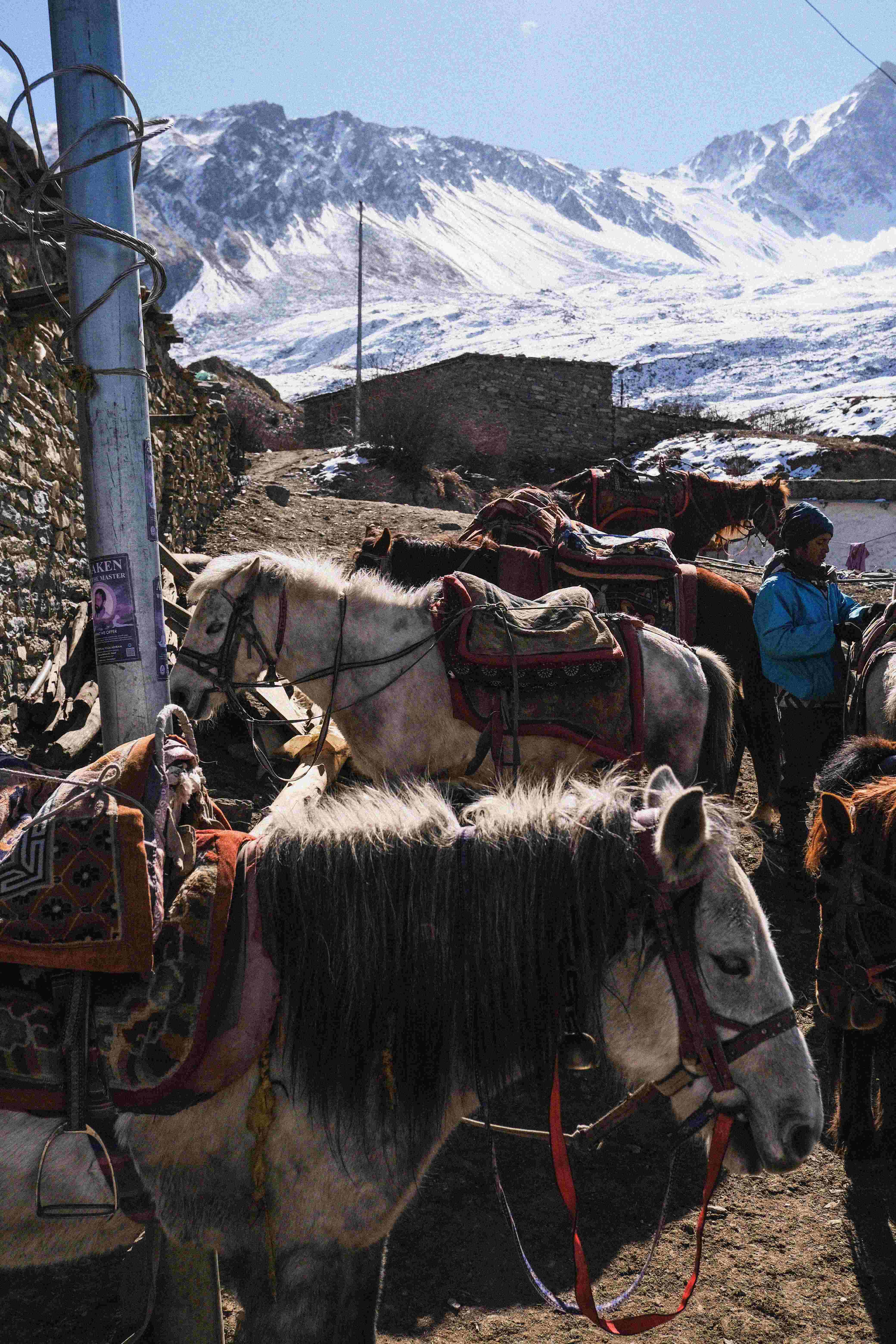
The horses are prepared with their saddles, bridles and other necessary riding equipment. Horsemen check that the saddle is properly positioned and secured, allowing the rider to sit comfortably during the journey. Traditional riding equipment and harnesses may be seen along the Mustang trails, reflecting the region's longstanding relationship with horses and mountain transportation. Travellers are also given basic guidance on how to hold the reins, maintain a steady posture and respond to the horse's movements.
Even if someone has previous riding experience, becoming familiar with the assigned horse is important. Every horse has its own temperament, pace and way of responding to the rider. The horseman helps establish this familiarity and remains responsible for guiding and managing the animal throughout the journey. Once everyone is comfortable and the horses are ready, the group sets off towards the day's destination.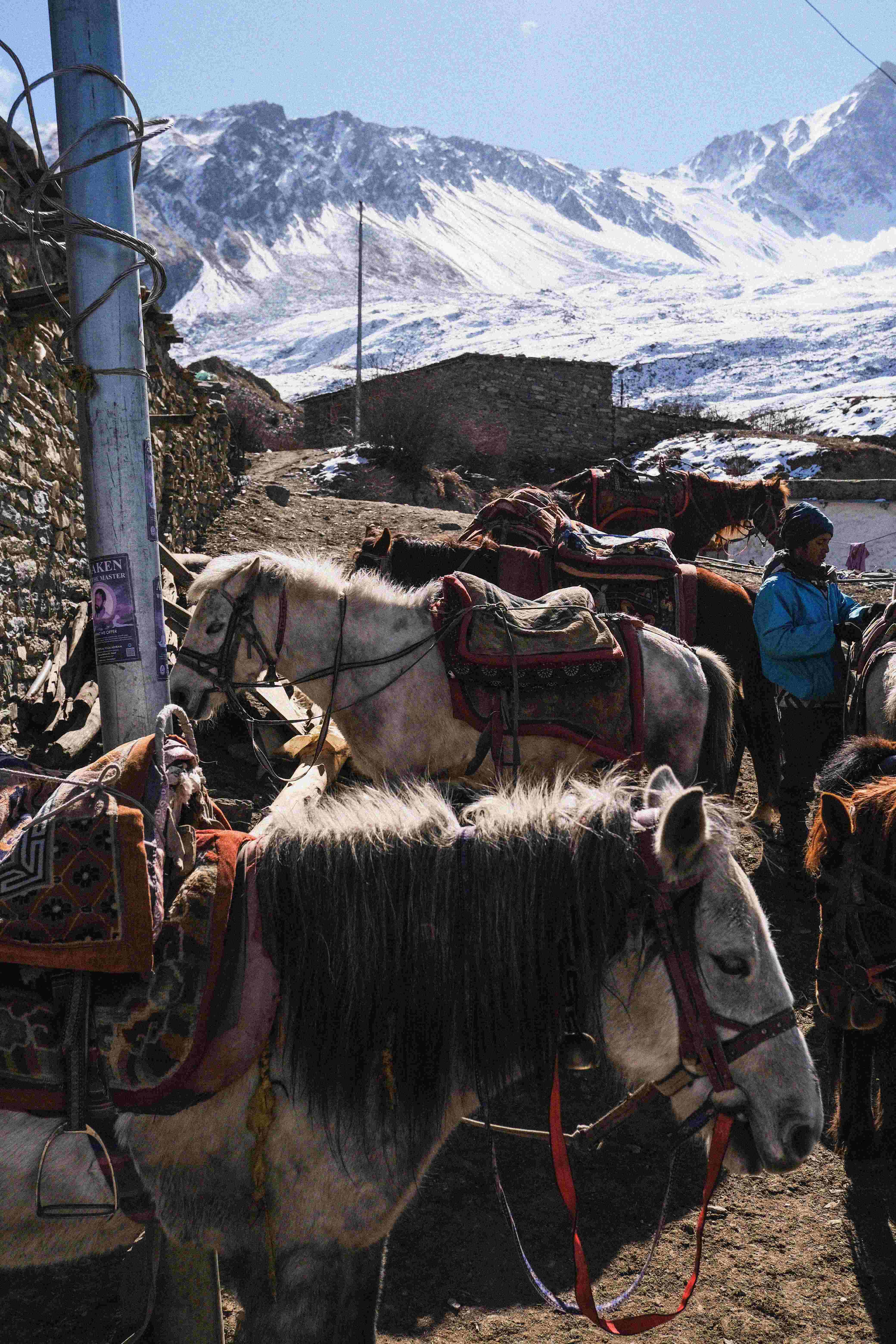
Riding Through Mustang: What Happens During the Day
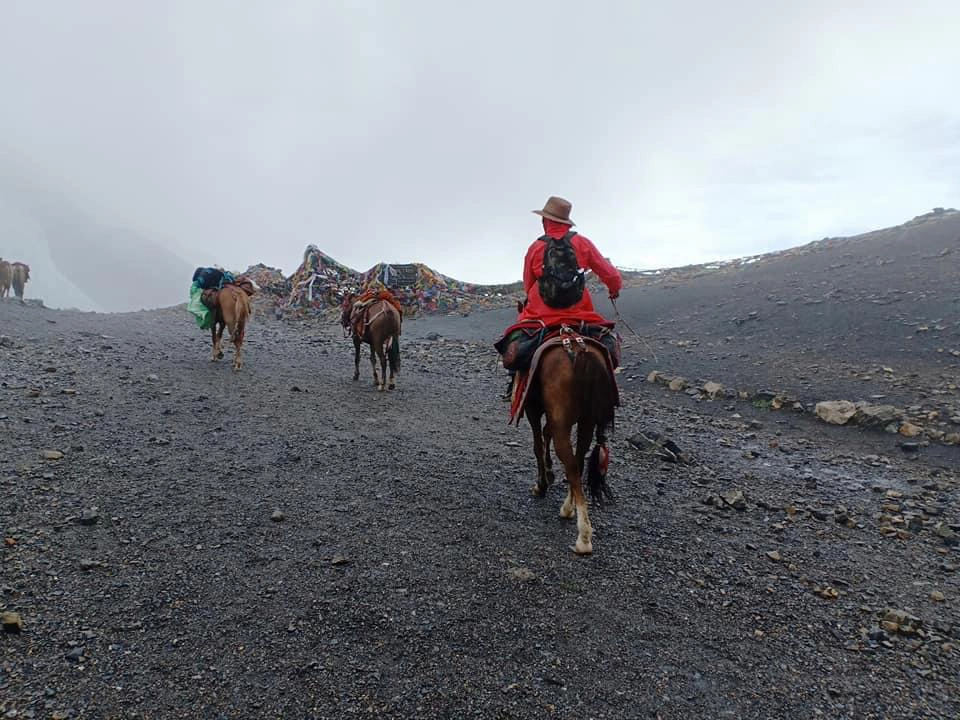
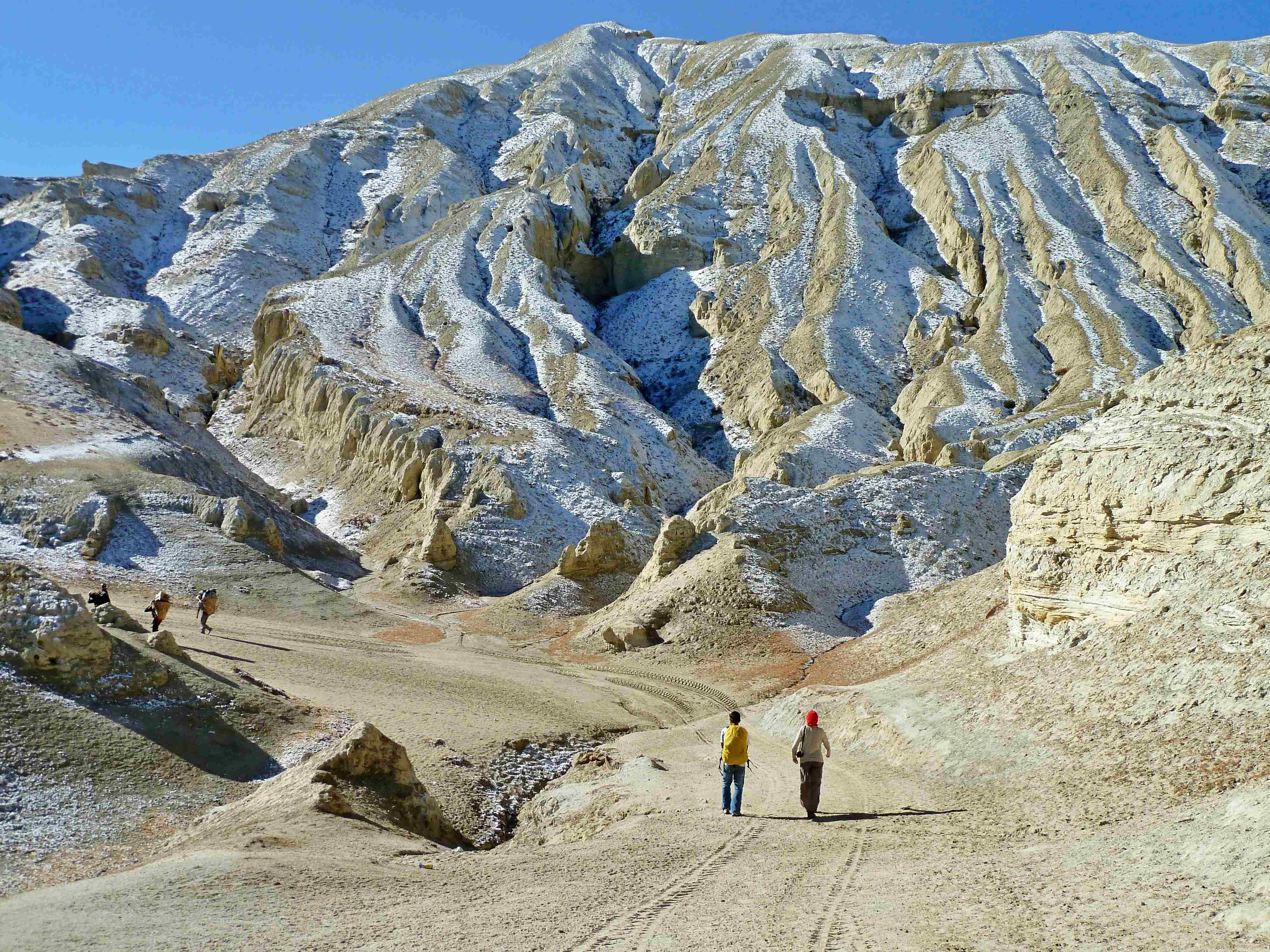
The riding experience is the central part of a horse trek in Mustang. A typical riding day may involve approximately four to five hours on horseback, although the actual duration depends on the distance, terrain, weather and planned stops. The journey takes riders through a variety of landscapes, from wide river valleys and dry mountain slopes to rocky trails, traditional settlements and high-altitude passes. The scenery changes as the trail moves between different elevations and sections of the valley.
Unlike riding on a flat or enclosed track, horseback trekking in Mustang involves navigating natural mountain terrain. Some sections are relatively smooth and open, allowing horses to maintain a steady pace. Other stretches may be uneven, narrow or steep, requiring greater attention from both riders and horsemen. The horses are accustomed to mountain environments and familiar with many of these trails. However, riders should remain attentive, follow the horseman's instructions and avoid rushing the animals, particularly along difficult sections.
Throughout the ride, the trekking guide and horsemen coordinate to ensure the group progresses comfortably. The guide generally oversees the overall journey, monitors the travellers and manages the day's arrangements, while the horsemen concentrate on handling the horses and navigating the riding sections. There may be short pauses along the way to enjoy the views, take photographs, drink water or allow the group to regroup. These moments are also part of the experience, offering time to appreciate Mustang's distinctive landscape and the quiet surroundings of its remote valleys.
The Role of Horsemen: The People Behind Your Journey
Horsemen are among the most important people accompanying a horseback trek in Mustang. Many come from mountain communities where horses have traditionally played an important role in transportation, trade and everyday life. Their knowledge is often developed through years of practical experience, working with horses and travelling across the region's trails. They understand how horses behave in different conditions and are familiar with the terrain, routes and challenges encountered along the journey.
During the ride, horsemen take responsibility for handling the horses, maintaining a suitable pace and helping riders navigate different sections of the trail. They pay attention to the animals' movements and behaviour, adjusting the pace when necessary. On difficult stretches, they may lead the horses rather than allow riders to continue mounted, depending on the terrain and safety conditions. Their familiarity with the local landscape is particularly valuable in remote areas where trails can be exposed, rocky or affected by changing weather.
Horsemen also play an important role in making international travellers comfortable during the journey. Communication may sometimes require assistance from the trekking guide, particularly when travellers and horsemen do not share a common language. The guide helps communicate instructions, requests and practical information between the group and the horsemen. Beyond their technical responsibilities, spending time with these horsemen can offer travellers a glimpse into Mustang's traditional horse culture and the knowledge passed down through generations of mountain communities.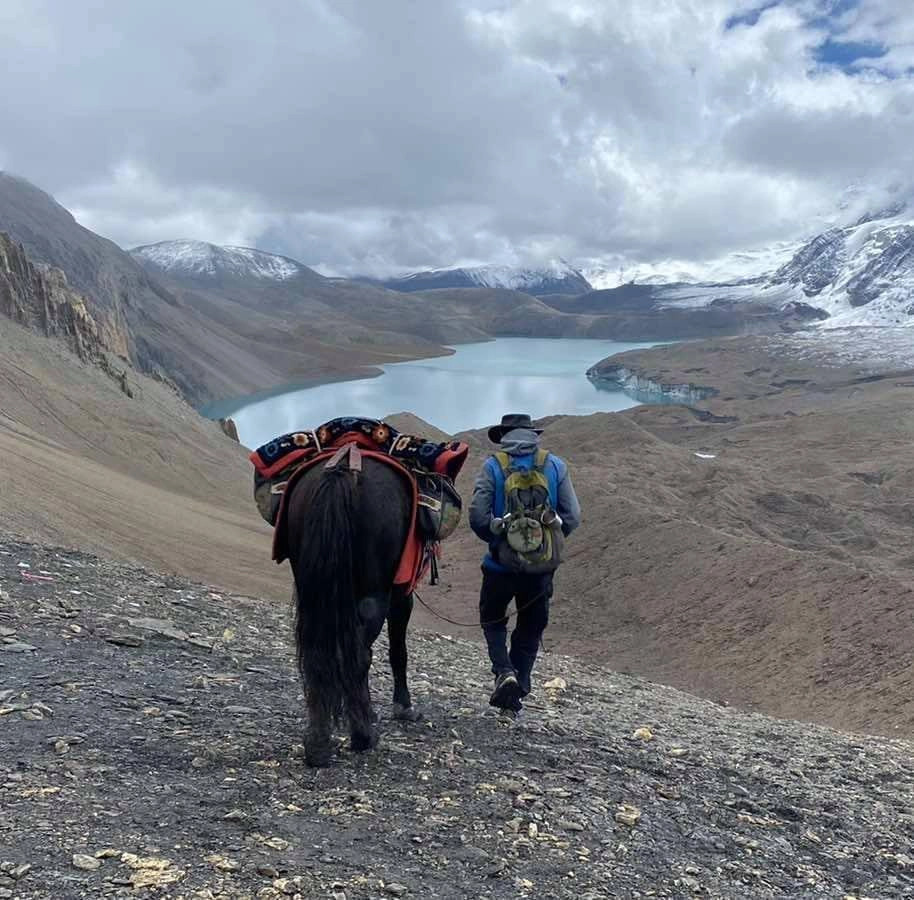
Lunch Breaks Along the Trail: Food and Rest in the Mountains
After several hours of riding, a lunch break provides an opportunity to relax, eat and regain energy before continuing towards the next settlement. Depending on the route, lunch may take place at a village teahouse, a small local restaurant or another suitable stopping point along the trail. The availability of food and facilities varies between settlements, particularly in the more remote sections of Mustang. On some days, the group may need to travel further before reaching a place where a proper meal can be arranged.
Dal Bhat, consisting of rice, lentil soup, vegetables and accompanying side dishes, is one of the common meals available in mountain teahouses. Other options may include noodles, fried rice, soups, Tibetan bread, potatoes and locally prepared dishes. Food choices are generally simpler in remote villages than in larger towns, but meals provide a welcome break from the journey. Travellers can also use this time to refill their water bottles, have a warm drink and take a short rest before getting back on the trail.
Lunch breaks are important for the horses as well as the riders. The horsemen use these pauses to check on the animals, provide water when available and allow them to rest. The length of the break depends on the day's riding conditions and the location of the stopping point. Once everyone has finished eating and the horses are ready, the group continues towards the next village or overnight destination.
Reaching the Next Village: Settling into a Mountain Lodge
After completing the day's ride, travellers arrive at the village or settlement where they will spend the night. The accommodation is generally a local teahouse or mountain lodge, with facilities varying according to the size and remoteness of the settlement. Larger villages such as Lo Manthang have more established accommodation options, while smaller settlements may offer simpler guesthouses with basic rooms and shared facilities. The experience is generally more modest than staying in hotels in Kathmandu or Pokhara.
Rooms may have twin beds, blankets, pillows and basic furniture. Bathrooms can be shared or private depending on the property, and hot showers may be available at an additional cost or subject to the availability of water and heating facilities. In some remote locations, electricity and charging facilities may also be limited or available only during certain hours. Travellers should be prepared for simple mountain accommodation, where comfort is closely connected to the facilities available in each village.
Once settled in, there is usually some time to freshen up, rest and enjoy a warm drink before dinner. After spending several hours on horseback, even a short period of relaxation can make a difference. The slower pace of village life also gives travellers an opportunity to appreciate their surroundings, interact with local people and enjoy the peaceful atmosphere of Mustang's mountain settlements.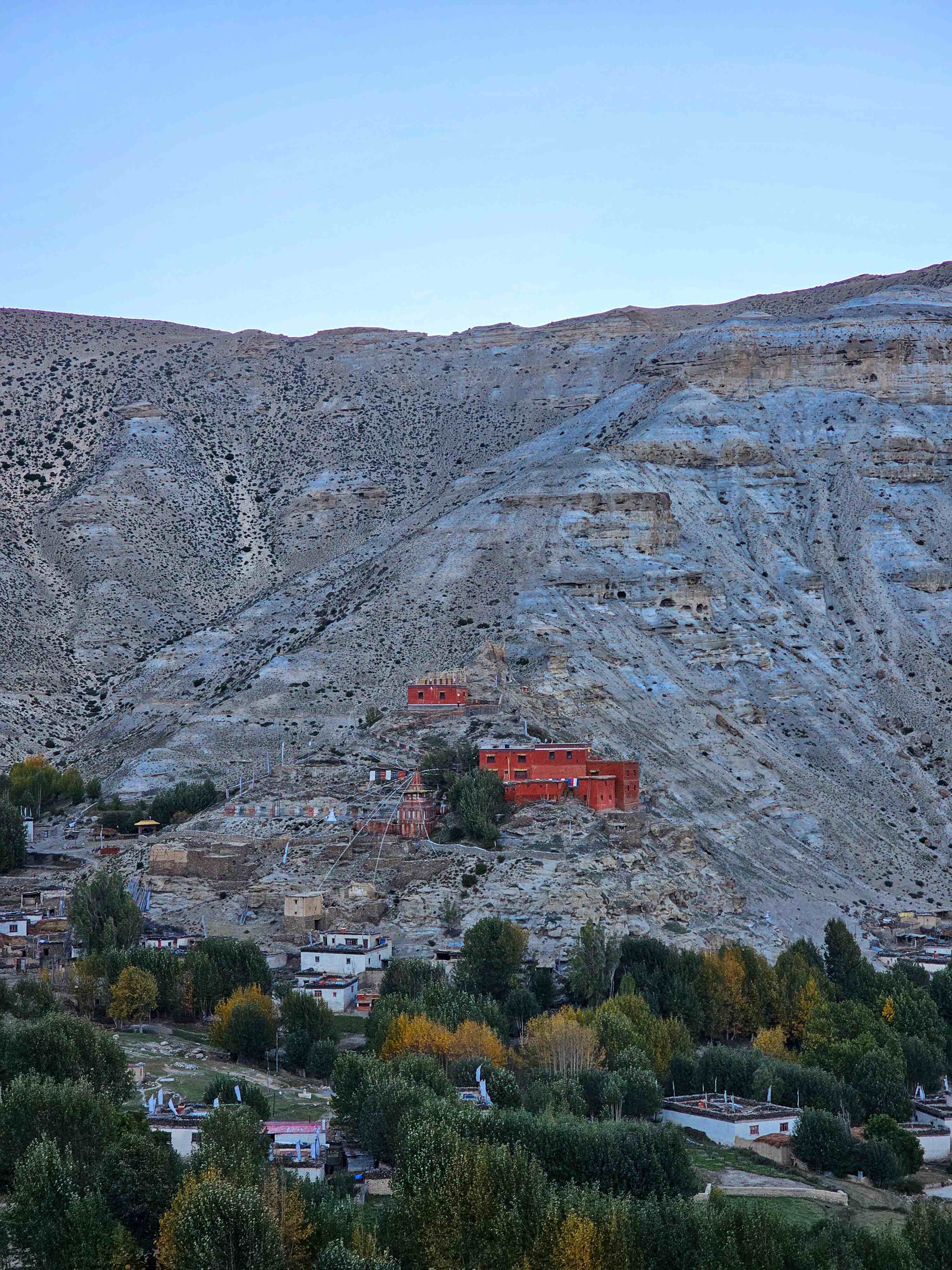
What Happens to the Horses After the Ride?
While travellers settle into their accommodation, the horsemen turn their attention to the horses. After a day of riding, the animals need proper care, including rest, water, feeding and attention to their physical condition. Depending on the village and available facilities, horses may be taken to designated grazing areas, local stables or suitable spaces where they can rest overnight. Their arrangements vary depending on the season, location and resources available in the settlement.
The horsemen remove the riding equipment and check the animals for any signs of discomfort, rubbing, injuries or unusual behaviour. They also make sure the horses have access to water and appropriate feed. Grazing opportunities depend on the availability of vegetation, which can be limited in Mustang's dry, high-altitude environment, particularly in certain seasons and locations. Additional feed may therefore be necessary to support the horses throughout the journey.
Horse care is an ongoing responsibility rather than something limited to the beginning and end of a riding day. The horsemen observe the animals' condition, including their energy levels, movement and general behaviour, to identify any signs of fatigue or problems. If a horse needs additional rest or attention, arrangements can be adjusted accordingly. This daily care is an essential part of horseback trekking, ensuring that the animals are looked after throughout the journey and are prepared for the following day's ride.
Exploring the Village: How You Spend Your Evening
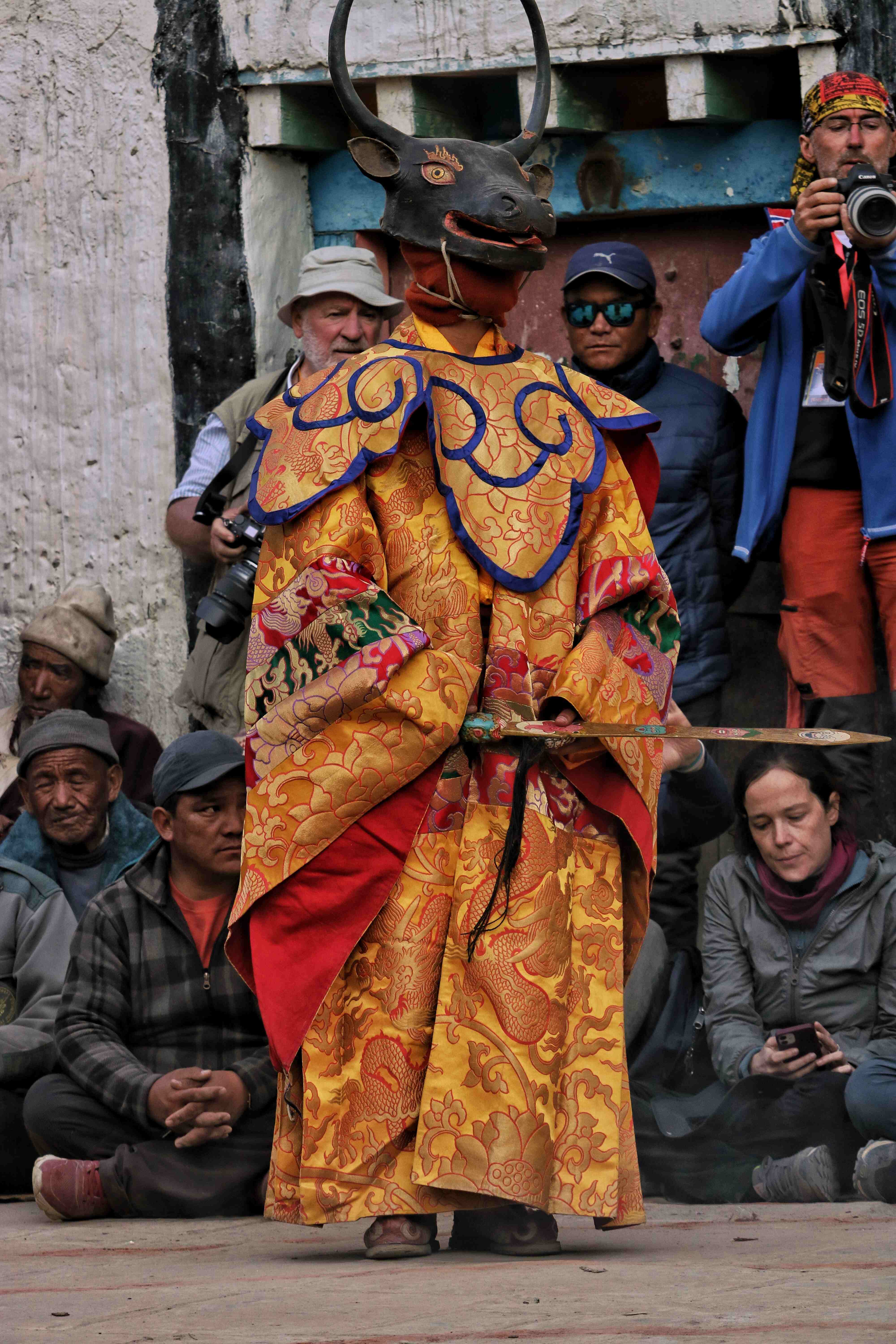
Depending on the arrival time and how tired everyone feels after the ride, the evening can be a good opportunity to explore the village on foot. Mustang's settlements have distinctive architecture, narrow lanes, traditional mud-brick houses and surroundings shaped by the region's Tibetan-influenced culture. A short walk through the village may reveal local shops, prayer wheels, mani walls, small monasteries and everyday activities that offer a glimpse into mountain life.
The experience varies considerably depending on where the group is staying. In smaller villages, evenings are often quiet, with limited commercial activity and a slower pace of life. Travellers may see local residents returning home, preparing meals, tending to livestock or gathering around their houses. In larger settlements such as Lo Manthang, there may be more opportunities to explore traditional architecture, visit monasteries and walk through the historic village centre. The settlement's layout and cultural landmarks offer a different experience from the smaller villages along the trail.
These evening walks are not necessarily part of a fixed sightseeing programme. Sometimes, simply walking through the village, observing daily life and speaking with local residents can be an enjoyable part of the journey. It is also an opportunity to photograph the surrounding mountains, traditional houses and changing evening light. However, travellers should remain mindful of the altitude and avoid exhausting themselves before another day of riding.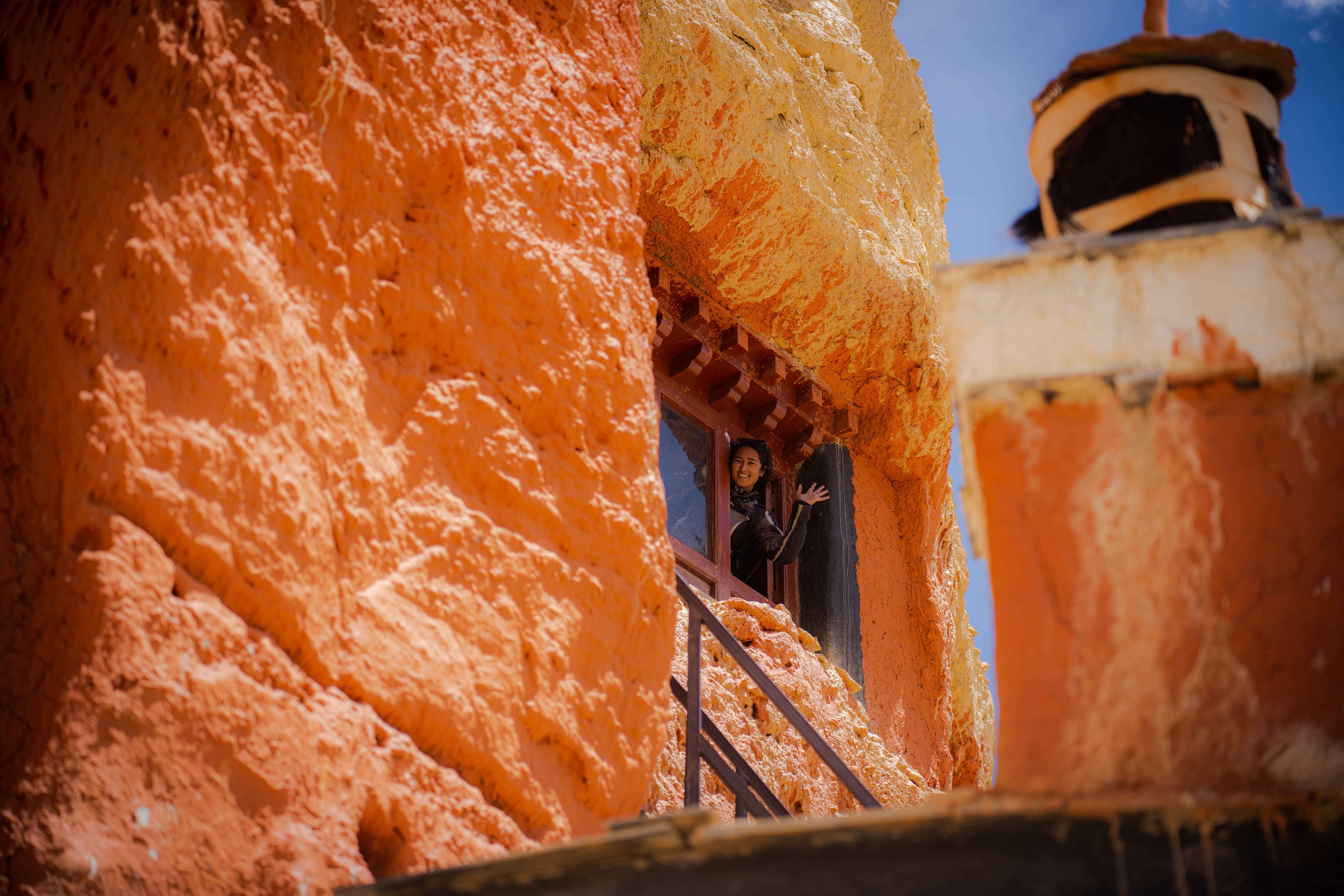
Dinner and the Evening Briefing: Preparing for Another Day
Evenings generally conclude with dinner at the same teahouse or lodge where travellers are staying. Dal Bhat is a common option, although menus may also include noodle dishes, soups, rice, vegetables and other locally available food. In remote Mustang villages, meal options can be relatively limited because ingredients and supplies need to be transported from other areas. Nevertheless, a warm meal after a day on the trail is an important part of the daily routine.
Dinner is also a convenient time for the trekking guide to discuss the day's journey and explain what to expect the following morning. The guide may ask how everyone is feeling, whether anyone experienced discomfort while riding and whether there are any concerns about the next day's route. The upcoming terrain, approximate riding duration, weather conditions and departure time are generally discussed. At higher elevations, checking how travellers are adjusting to the altitude remains an important consideration throughout the trek.
Meanwhile, the horsemen continue their responsibilities, ensuring that the horses have been fed, watered and settled for the night. They may also make preparations for the next morning, depending on the location and the condition of the animals. Once the day's arrangements are complete, travellers can relax, prepare their belongings and get some rest. The following morning brings another journey through Mustang's mountain landscapes, with new trails, settlements and experiences waiting along the way.
What Makes a Typical Day on a Horse Trek in Mustang Different?
A typical day of horseback trekking in Mustang brings together several experiences beyond riding itself. There is the changing mountain landscape, the practical knowledge of the horsemen, the daily care of the horses, meals in local teahouses and evenings spent in traditional settlements. Each part contributes to understanding the region and its longstanding relationship with horses.
Unlike a journey focused only on reaching the next destination, a horse trek allows travellers to experience the rhythm of travelling through the mountains at a steady pace. Riding hours, trail conditions and overnight arrangements vary from one day to another, but the combination of mountain travel, local encounters and time spent with the horses remains central to the experience. It is this everyday rhythm that makes horseback trekking through Mustang a distinctive way to explore one of Nepal's most remarkable Himalayan regions.
Ride through the Himalayas and discover the magic of Mustang.
Frequently Asked Questions
1. How many hours do you ride a horse each day in Mustang, Nepal?
A typical day of horseback trekking in Mustang involves approximately 4–5 hours of riding. However, the duration varies depending on the distance, terrain, altitude, weather and trail conditions.