Blog Details
22Jul
5 Wellness Experiences You Can Only Have in Nepal
Wellness means something different to everyone. For some, it's a yoga class overlooking the mountains. For others, it's meditation, silence, meaningful cultural connections, or simply slowing down and reconnecting with nature.
Nepal has quietly emerged as one of the world's most compelling wellness destinations, not because it has reinvented wellness for tourism, but because many of the traditions that define mindful living have been practiced here for centuries. Buddhism, Hinduism, Himalayan communities, and a landscape dominated by the world's highest mountains have together shaped a way of life where spirituality, nature, and wellbeing remain closely connected.
While yoga retreats, meditation classes, and wellness resorts can now be found across the globe, there are certain experiences that remain uniquely Nepali.
Here are five wellness experiences you can only have in Nepal.
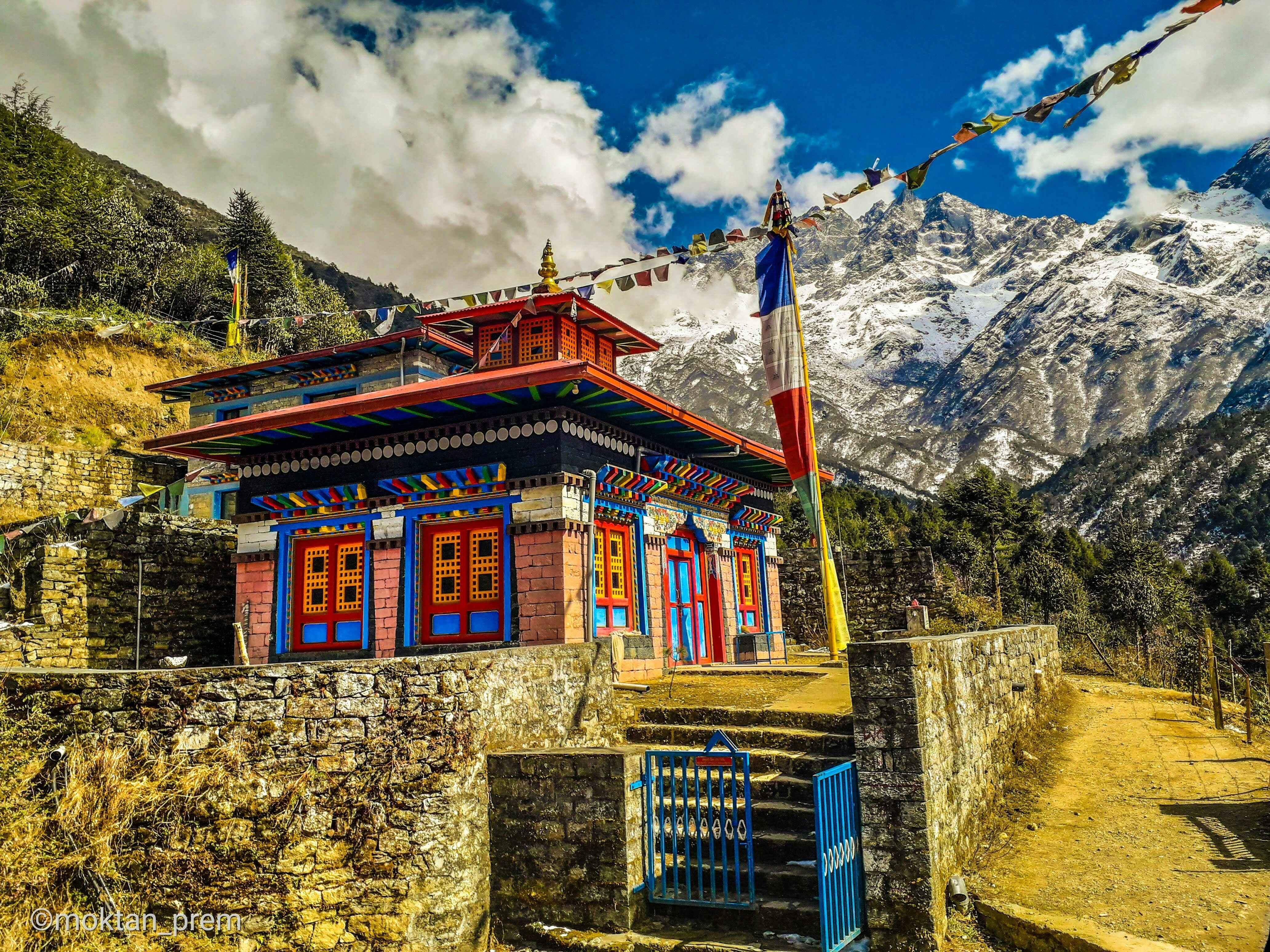
1. Stay at a Living Buddhist Monastery
Unlike many countries where monasteries function solely as places of worship or historical monuments, Nepal is home to numerous active Buddhist monasteries that welcome visitors to stay for several days and experience monastic life from within.
Monasteries such as Thrangu Tashi Yangtse Monastery at Namo Buddha, Azom Monastery in Pharping, and Hemja Pema Tsal Sakya Monastic Institute near Pokhara have opened their doors to respectful guests interested in meditation, Buddhist philosophy, or simply spending time in a quieter environment.
These are not hotels designed around a spiritual theme. They are living institutions where monks dedicate their lives to study, prayer, debate, and meditation. Visitors become temporary guests within these communities, adapting to the monastery's daily routine rather than the other way around.
A typical day begins before sunrise as monks gather for morning puja. Throughout the day, guests may quietly observe prayer ceremonies, meditate inside temple halls, walk around sacred stupas, or spend time reading and reflecting in peaceful surroundings. Meals are simple and usually vegetarian, accommodation is modest, and the emphasis is placed on mindfulness rather than comfort or entertainment.
Nepal's monasteries also represent several schools of Tibetan Buddhism, including Karma Kagyu, Sakya, Nyingma, and Gelug traditions. Staying in different monasteries therefore offers visitors insight into the diversity of Buddhist practice that continues to flourish throughout the country.
Few destinations allow travelers to participate so closely in the everyday rhythm of a functioning monastery, making Nepal one of the world's most authentic destinations for monastic retreats.
2. Experience Sound Healing Through Nepal's Himalayan Singing Bowl Tradition
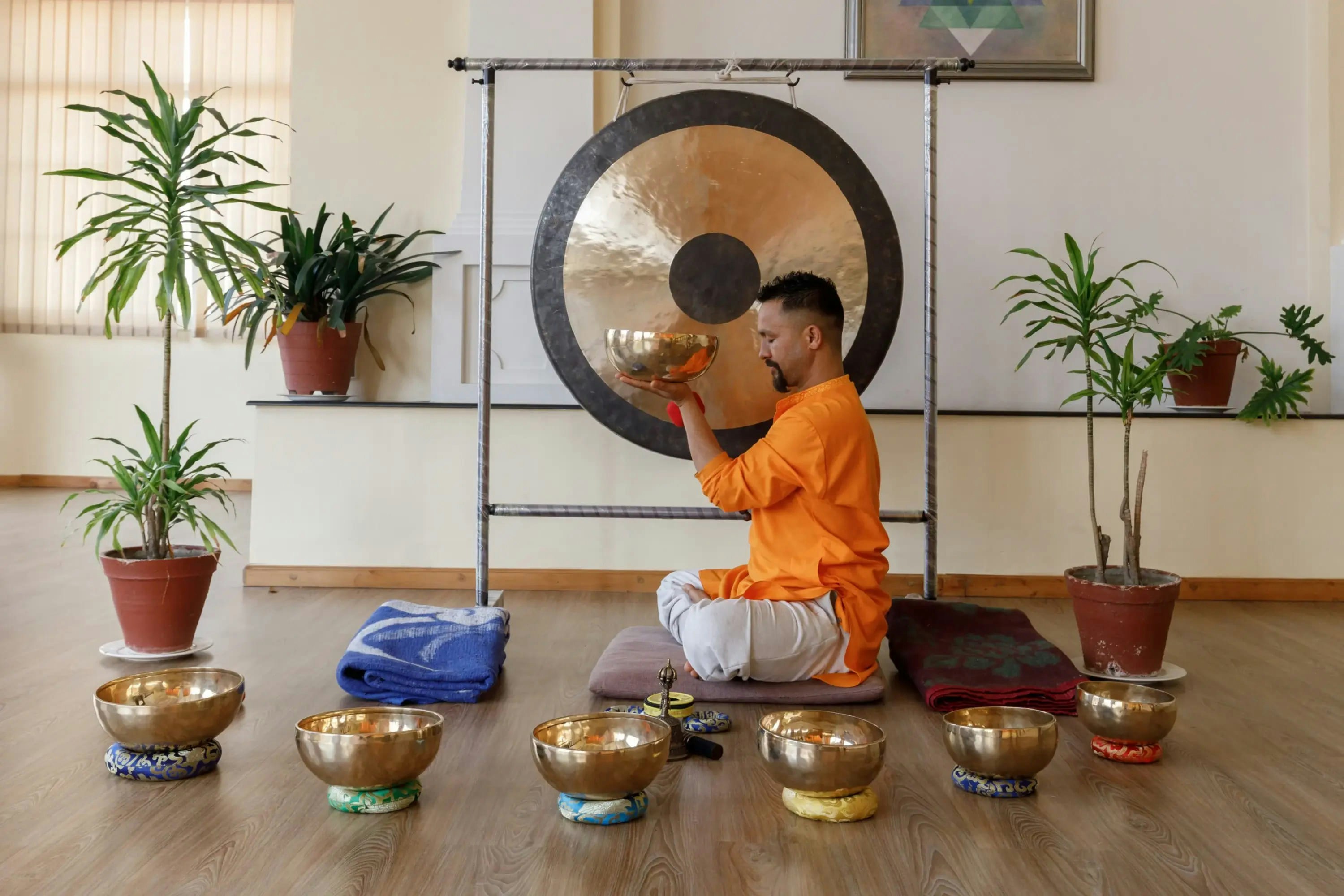
Few wellness practices are as closely associated with Nepal as Himalayan singing bowls.
Although singing bowls are now used in yoga studios and wellness centers around the world, Nepal has long been one of their principal places of manufacture. For centuries, skilled Newar metal artisans in the Kathmandu Valley produced handcrafted bowls using traditional alloys and metalworking techniques that were passed from one generation to the next.
Historically, these bowls travelled along the Himalayan trade routes connecting Nepal with Tibet. As Buddhism spread throughout the region, singing bowls became closely associated with meditation, ritual ceremonies, chanting, and monastic practice. While historians continue to debate certain aspects of their early development, Nepal's role as a major centre of craftsmanship and trade is well established.
Today, visitors have the opportunity to experience these instruments within the cultural landscape that helped shape their history.
Around Boudhanath Stupa, one of the largest Buddhist stupas in the world and a UNESCO World Heritage Site, sound healing sessions often take place in studios surrounded by monasteries, prayer flags, incense, and the constant movement of pilgrims performing kora around the stupa. Rather than existing as an isolated wellness activity, sound healing becomes part of a much broader spiritual environment where chanting, meditation, and Buddhist practice remain part of everyday life.
Many visitors also choose to visit traditional workshops to learn how Himalayan singing bowls are made before experiencing a guided meditation using instruments crafted by Nepali artisans themselves.
Experiencing Himalayan singing bowls in Nepal offers both a wellness practice and an appreciation of one of the country's enduring artisan traditions.
3. Practice Yoga Beneath the World's Highest Mountains
Yoga originated on the Indian subcontinent, but Nepal offers a setting for its practice that very few destinations can equal.
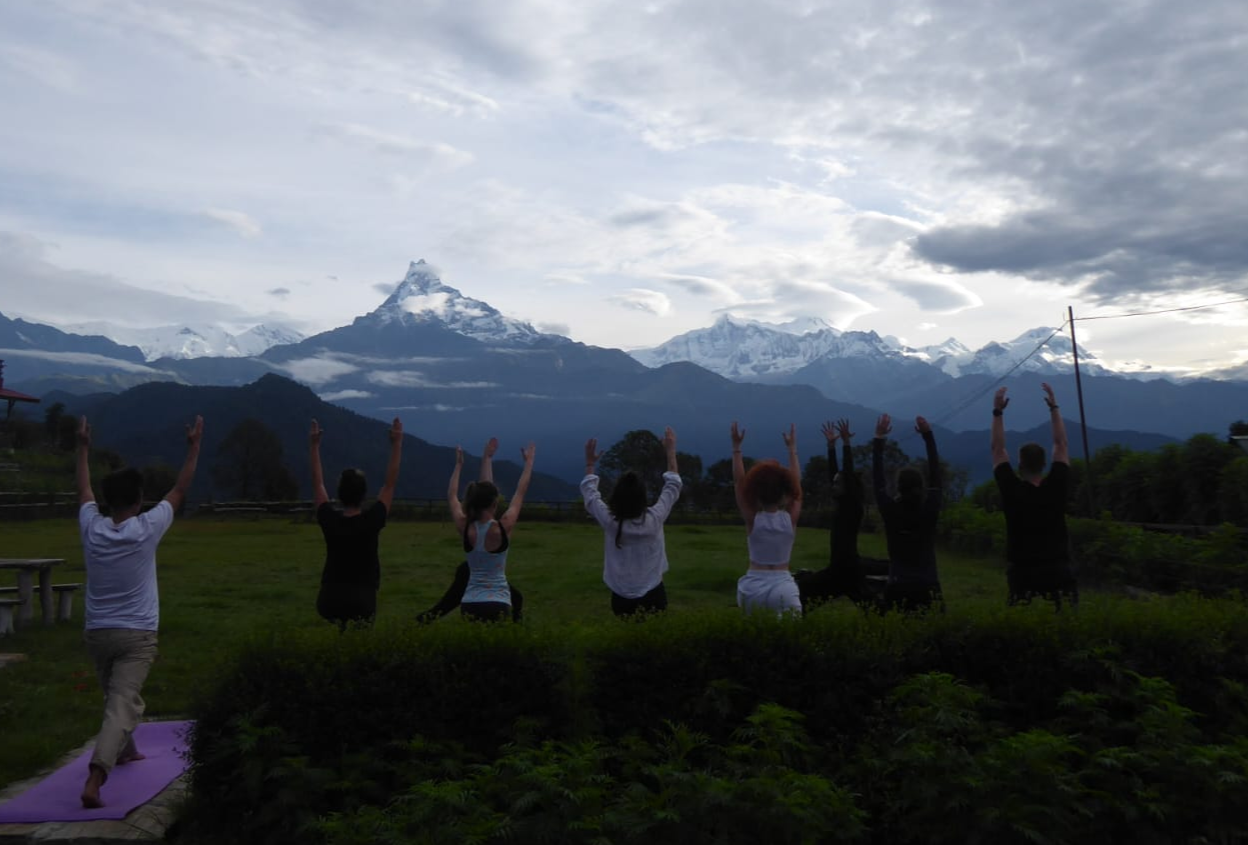
Home to eight of the world's fourteen mountains above 8,000 metres, Nepal provides an extraordinary natural environment where yoga is practiced against the backdrop of the Himalayas. Rather than taking place inside enclosed studios, sessions are often held on mountain ridges, beside alpine lakes, in monastery courtyards, or at trekking lodges overlooking snow-covered peaks.
Popular locations include Nagarkot, where sunrise illuminates the Himalayan range stretching across the horizon; Australian Camp, with panoramic views of Annapurna South, Machhapuchhre, and Hiunchuli; and Pokhara, where yoga overlooking Phewa Lake is framed by the Annapurna massif.
For those undertaking trekking journeys, yoga can also become part of the experience itself. Morning practice before setting out on Himalayan trails or evening stretching after a day's walk allows travelers to connect physical movement with the surrounding mountain environment.
For centuries, the Himalayas have attracted monks, yogis, hermits, and spiritual practitioners seeking solitude and contemplation. Although today's travelers arrive for different reasons, the landscape continues to provide the same sense of space, silence, and perspective that has drawn seekers to these mountains for generations.
The combination of ancient spiritual traditions and the dramatic Himalayan landscape creates a yoga experience that is difficult to replicate anywhere else in the world.
4. Walk Nepal's Sacred Pilgrimage Landscapes
Across Nepal, walking has long been an expression of spiritual practice.
Long before modern trekking routes became famous, pilgrims travelled on foot between temples, monasteries, caves, and sacred sites scattered throughout the country's hills and valleys. Many of these routes continue to be used today, offering travelers the opportunity to experience wellness through mindful movement rather than physical achievement.
In Pharping, just south of Kathmandu, visitors can walk between active monasteries, sacred temples, and the meditation caves where Guru Padmasambhava (Guru Rinpoche) is believed to have attained enlightenment before carrying Vajrayana Buddhism into Tibet during the eighth century. Prayer flags line the hillsides, monks move quietly between monasteries, and daily Buddhist practice continues much as it has for centuries.
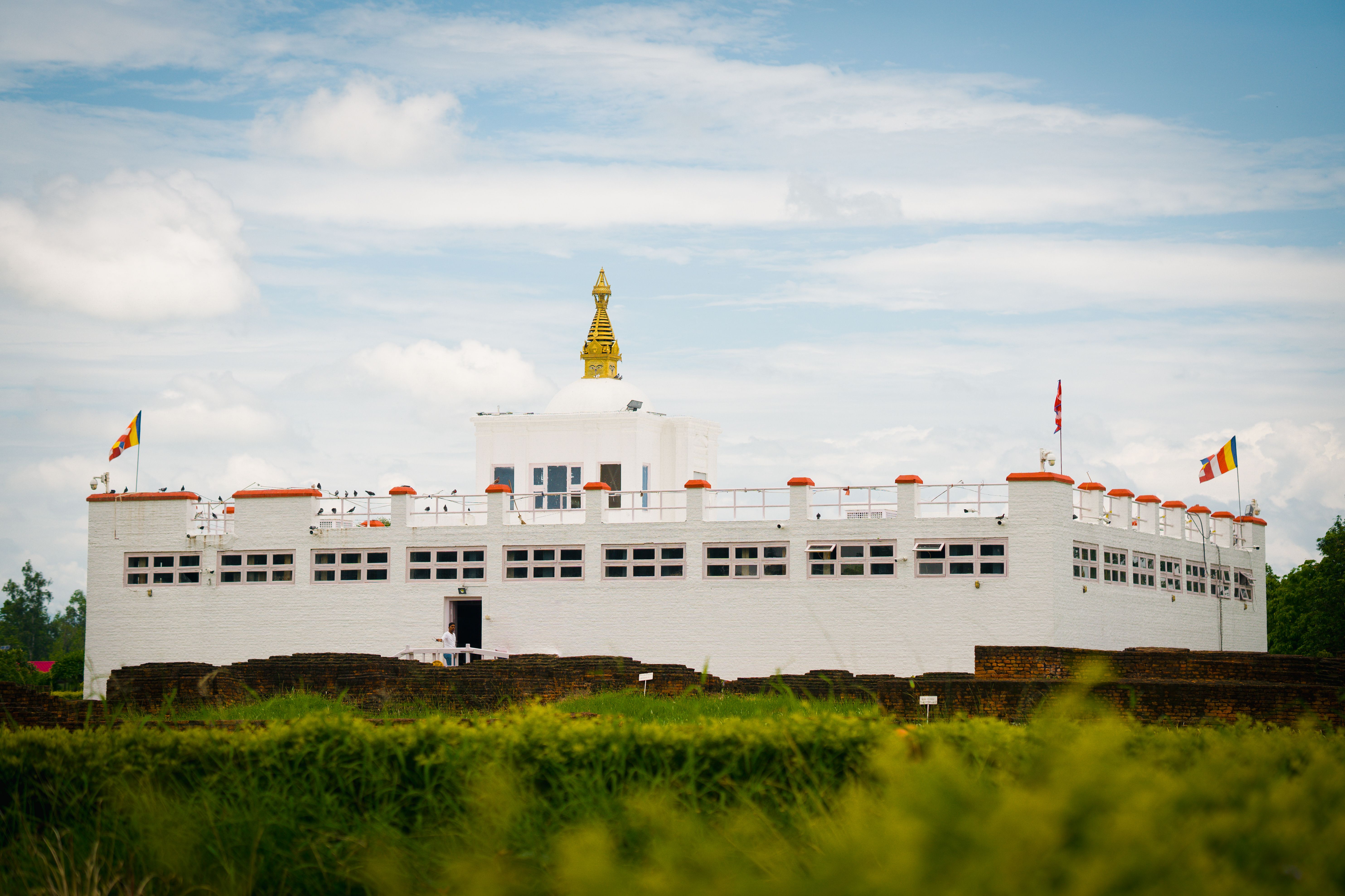
Further south, Lumbini, the birthplace of Siddhartha Gautama, the Buddha, offers one of the world's most significant pilgrimage destinations. Visitors can explore the Maya Devi Temple, the Sacred Garden, monastic zones established by Buddhist communities from around the world, and peaceful walking paths that encourage reflection rather than hurried sightseeing.
At Namo Buddha, one of Nepal's holiest Buddhist pilgrimage sites, visitors walk around the sacred stupa and monastery while reflecting upon the story of Prince Mahasattva, who is believed to have sacrificed himself to save a starving tigress and her cubs—an act regarded as one of the Buddha's previous lives and a powerful symbol of compassion.
Unlike many pilgrimage destinations that function primarily as historical attractions, Nepal's sacred sites remain active centres of worship, learning, and meditation. Pilgrims, monks, local devotees, and international visitors continue to share these landscapes, preserving traditions that remain part of everyday life.
5. Experience Mindful Living with a Nepali Family
Not all wellness experiences in Nepal are found inside monasteries or retreat centres.
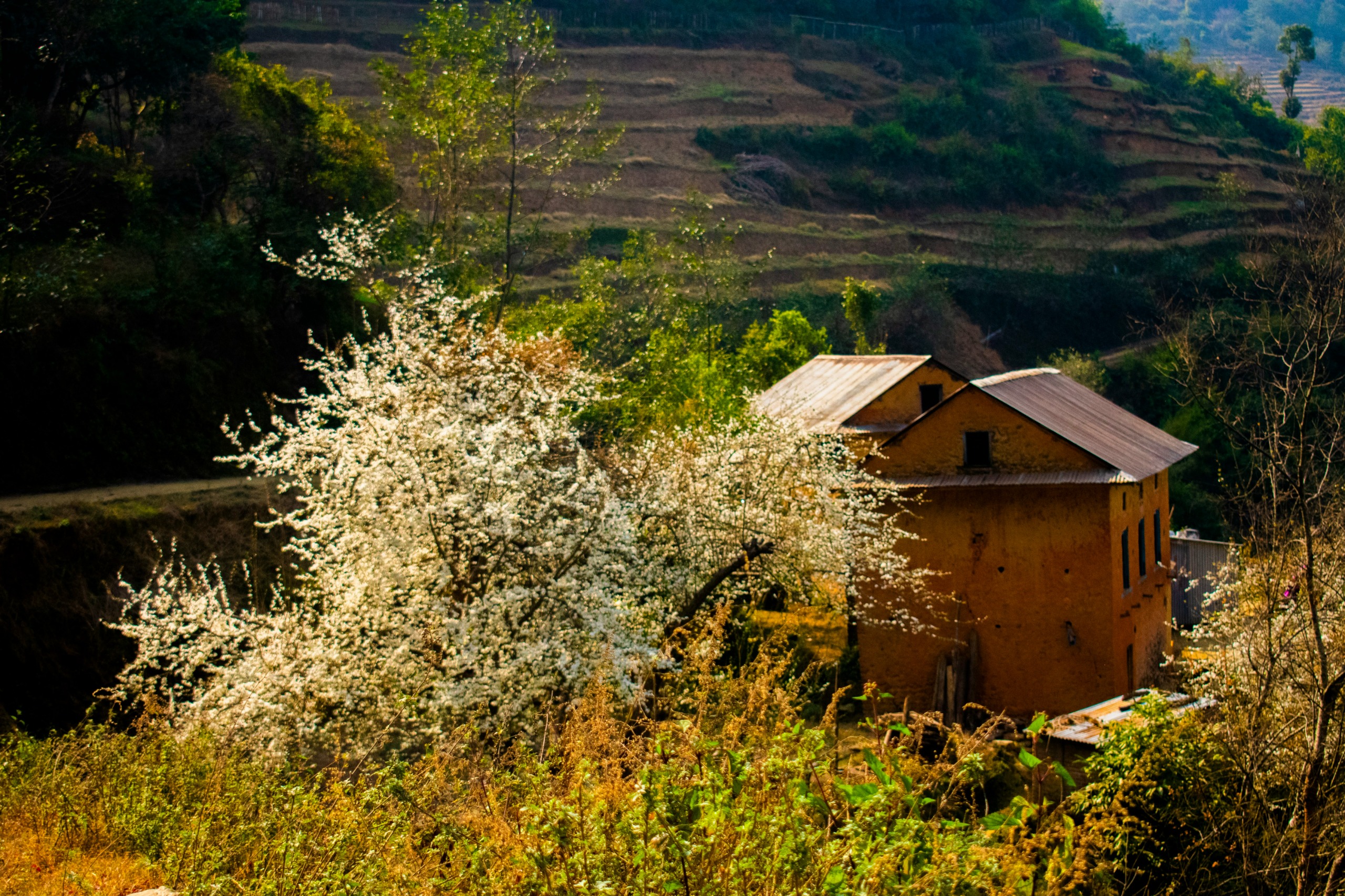
Across the country's hills and rural villages, many families continue to live in close relationship with the natural environment. Agriculture remains central to daily life, meals are prepared using seasonal local ingredients, and community relationships often take precedence over the fast pace associated with urban living.
Spending time with a Nepali family provides an opportunity to experience this lifestyle firsthand.
Visitors may help prepare traditional meals using vegetables harvested from nearby fields, learn local recipes that have been passed through generations, join daily household activities, enjoy conversations over cups of Himalayan herbal tea, or simply spend time observing village life from a traditional courtyard overlooking terraced hillsides.
These experiences are not designed as wellness programmes, yet they naturally encourage many of the qualities associated with wellbeing: slower routines, meaningful social interaction, time outdoors, and a closer awareness of the changing rhythms of nature.
For travelers accustomed to constant schedules, digital distractions, and urban environments, this slower pace often becomes one of the most memorable aspects of visiting Nepal.
Rather than teaching mindfulness through formal classes, rural life in Nepal demonstrates how mindful living can emerge naturally through simplicity, community, and a close connection with the land.
Wellness Shaped by Culture, Not Tourism
Many destinations have introduced wellness experiences to meet growing travel trends. Nepal is different.
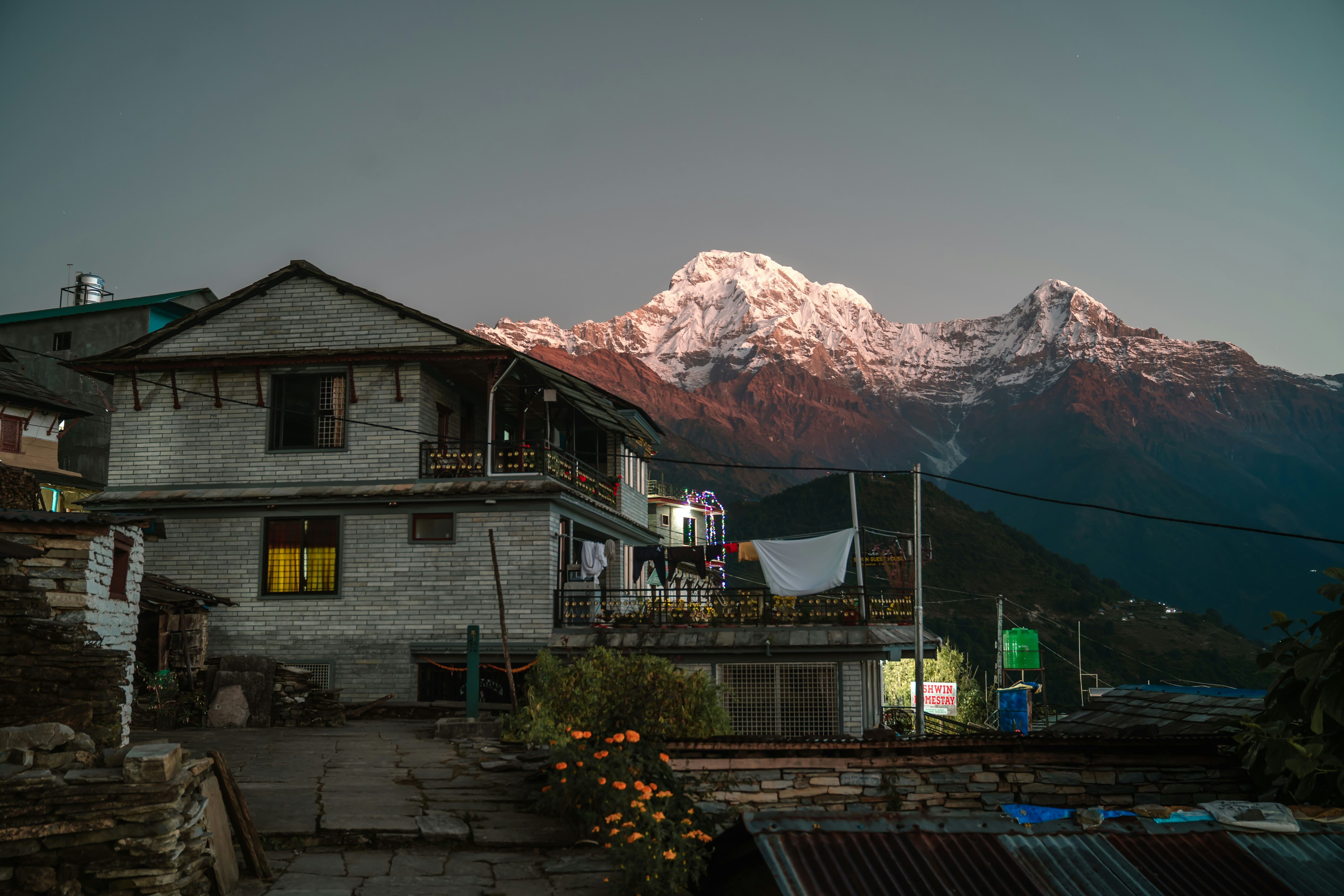
Its monasteries remain centres of Buddhist learning. Its pilgrimage routes continue to be walked by devotees. Its singing bowls are still crafted by artisans whose skills have been preserved for generations. Its villages continue to follow seasonal rhythms shaped by agriculture and community. Above it all, the Himalayas provide a landscape that has inspired spiritual practice for thousands of years.
This is what makes wellness in Nepal distinctive. It is not something that has been created for visitors—it is part of the country's cultural and spiritual identity.
For travelers seeking more than relaxation, Nepal offers the opportunity to engage with traditions that continue to be lived every day, making it one of the world's most authentic destinations for meaningful wellness travel.
Discover Nepal Through an Immersive Wellness Retreat
Frequently Asked Questions
Why is Nepal considered a wellness destination?
Nepal's appeal lies in the combination of ancient spiritual traditions, the Himalayan landscape, active Buddhist monasteries, sacred pilgrimage sites, and communities that continue to live closely connected to nature. Rather than creating wellness experiences specifically for tourism, Nepal offers traditions that have been practiced for centuries.