Everest Base Camp Trek - 14 Days
Nepal | Landscapes & Expeditions
Overview
For generations, Everest has captured the imagination of explorers, mountaineers, and travellers from around the world. Rising above the heart of the Himalayas at 8,848.86 metres, the world's highest mountain represents not only an extraordinary natural wonder but also a symbol of endurance, discovery, and personal achievement. Yet the journey to Everest Base Camp is about far more than reaching the foot of the highest peak on Earth. It is an immersion into the landscapes, cultures, and traditions that have shaped life in the Khumbu region for centuries.
The Everest Base Camp Trek is Nepal's most iconic trekking experience, following ancient Himalayan trails through remote Sherpa villages, dense rhododendron forests, glacial valleys, and high-altitude mountain landscapes before arriving at the legendary Everest Base Camp. Along the way, trekkers encounter centuries-old Buddhist monasteries, colourful prayer flags fluttering across suspension bridges, intricately carved mani stones, and communities whose history has become inseparable from the story of Himalayan mountaineering.
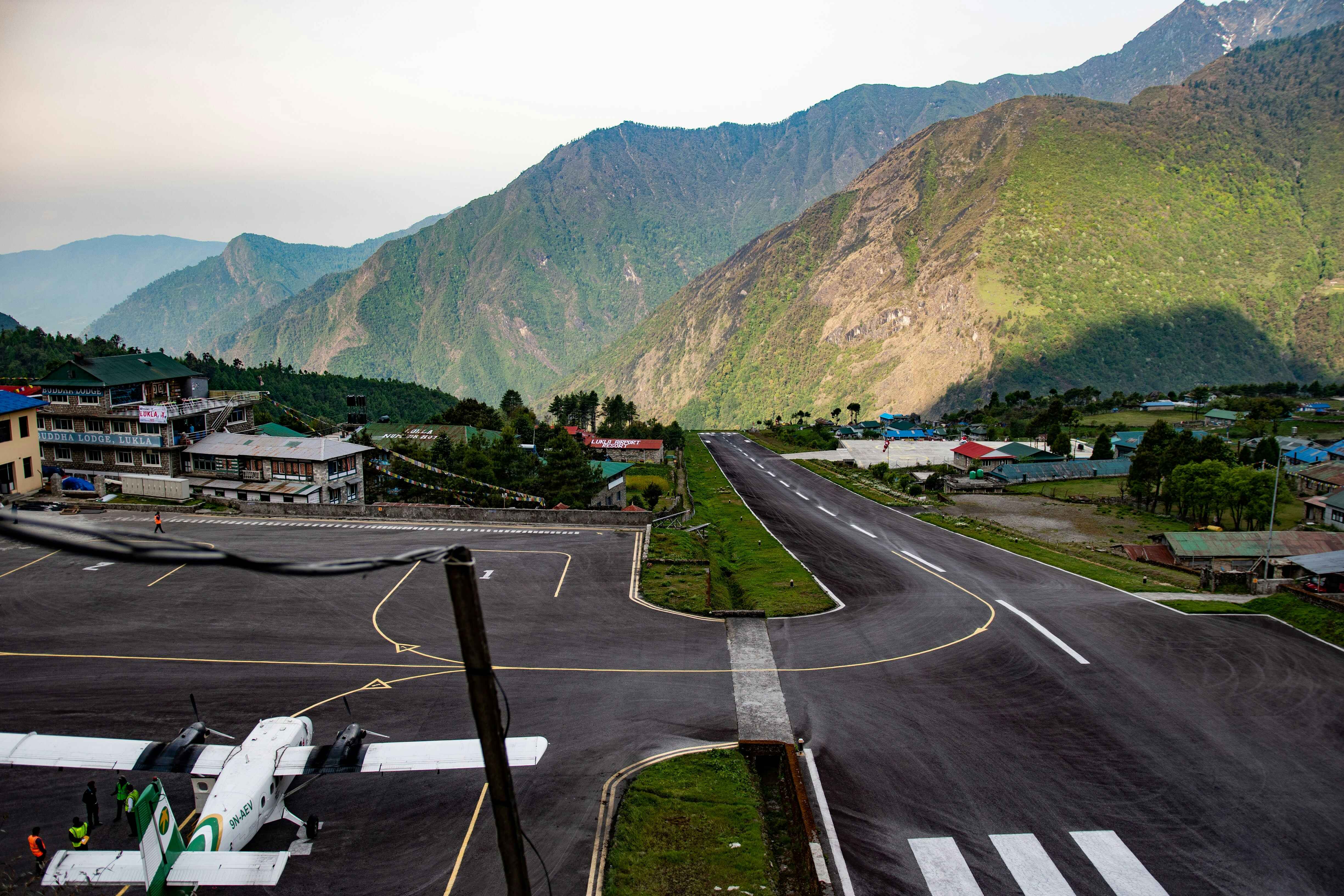
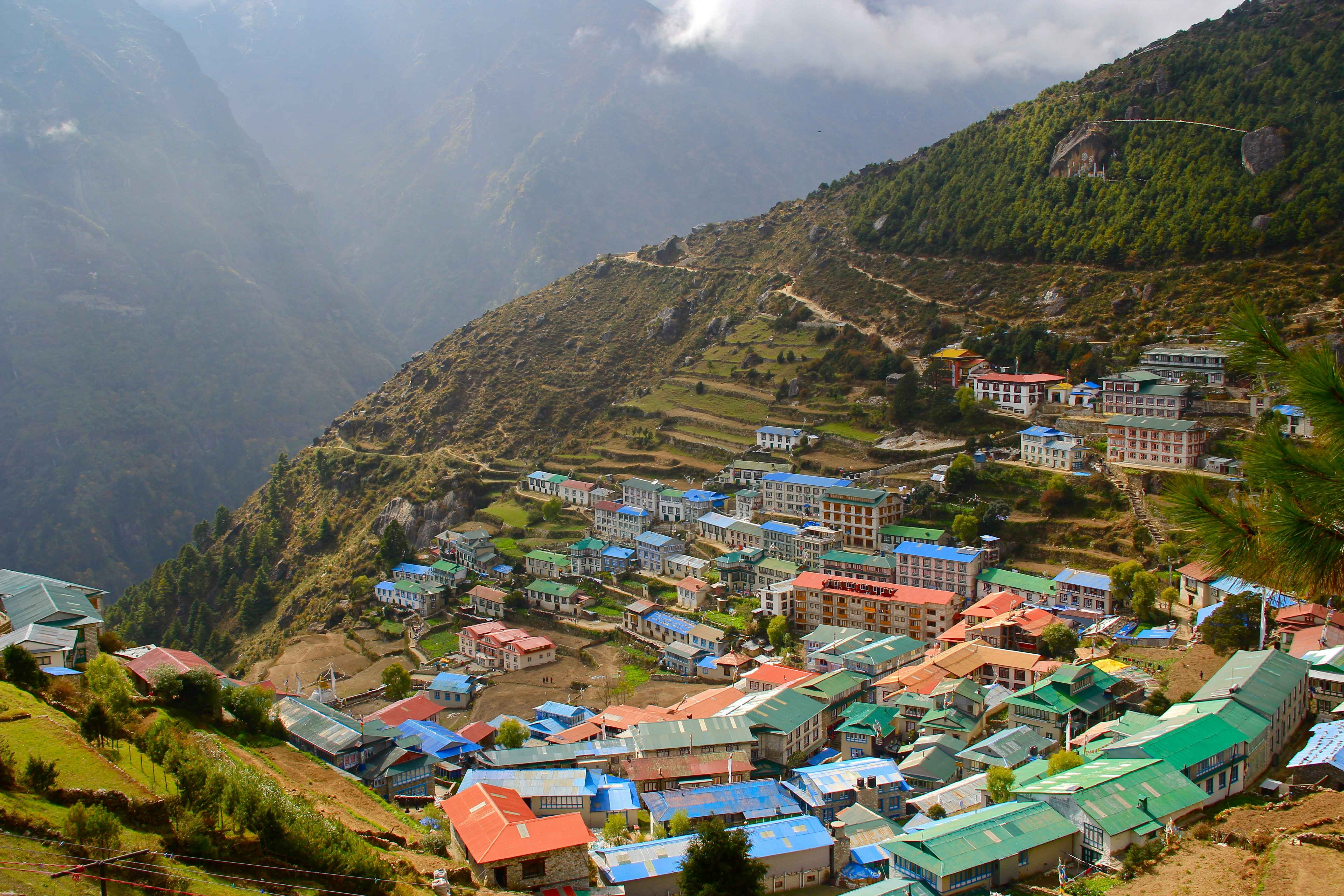
Your adventure begins with one of the world's most exhilarating mountain flights to Lukla, often regarded as the gateway to Everest. From here, the trail follows the Dudh Koshi River through picturesque settlements including Phakding, Monjo, and the bustling mountain town of Namche Bazaar. As the commercial and cultural heart of the Khumbu, Namche has welcomed traders, pilgrims, and mountaineers for generations, offering the first true glimpse into the remarkable hospitality and traditions of the Sherpa people.
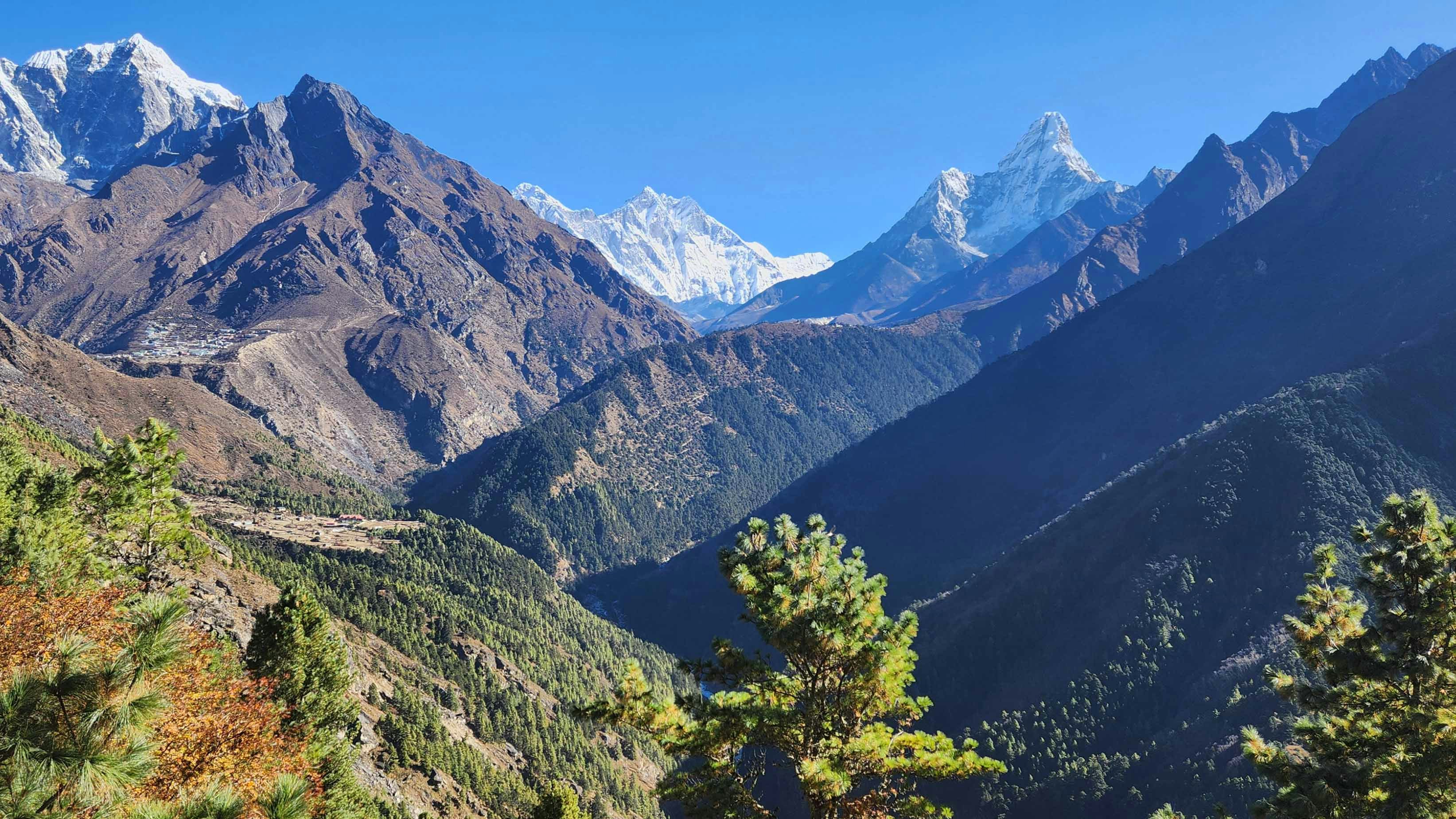
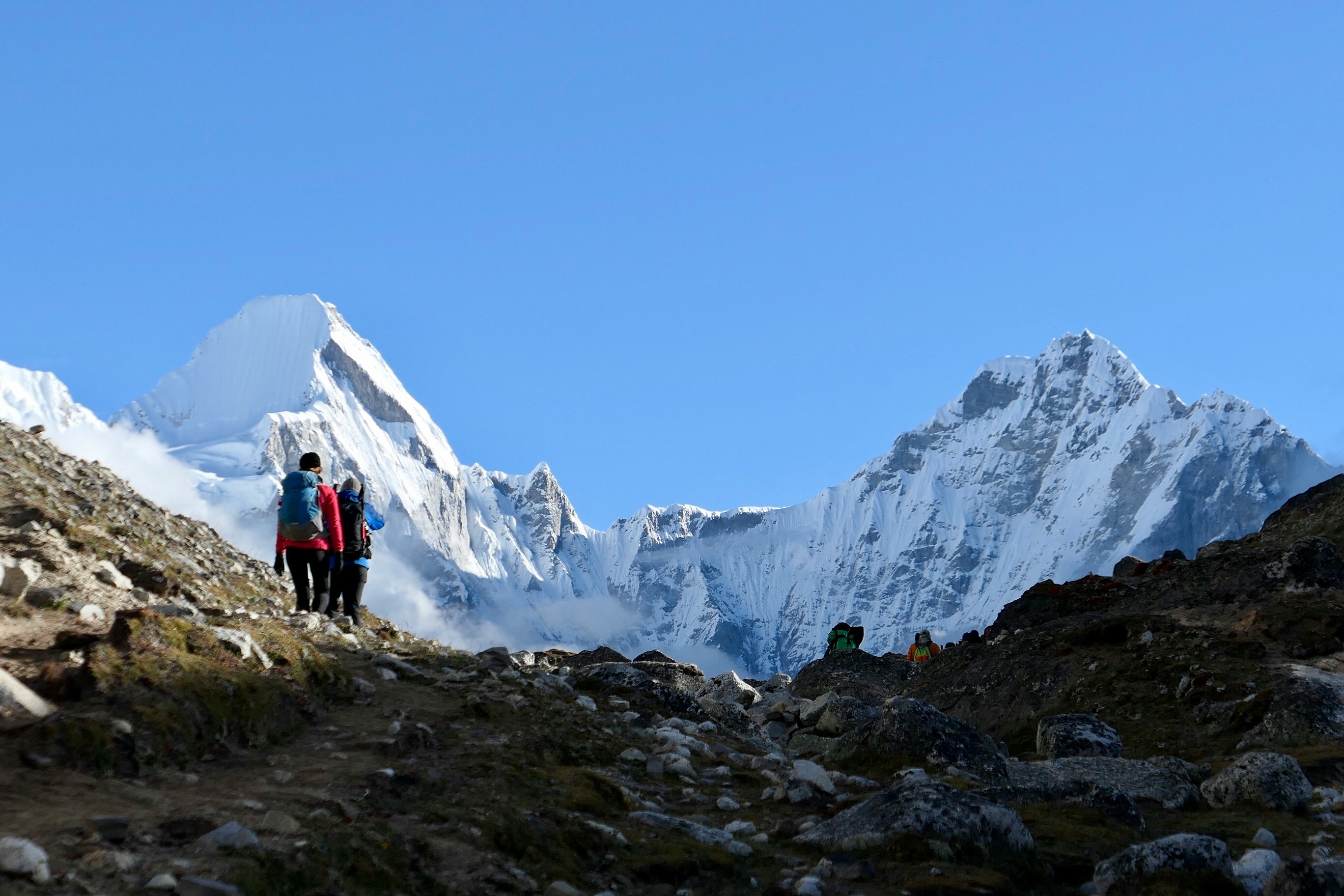
As the journey progresses, the scenery transforms dramatically. Lush forests gradually give way to alpine meadows, rugged glacial valleys, and barren high-altitude terrain where towering Himalayan giants dominate every horizon. Each day reveals new perspectives of some of the world's most celebrated mountains, including Ama Dablam, Lhotse, Nuptse, Pumori, Thamserku, Kangtega, Cholatse, Lobuche, Makalu, Cho Oyu, and ultimately, Mount Everest itself.
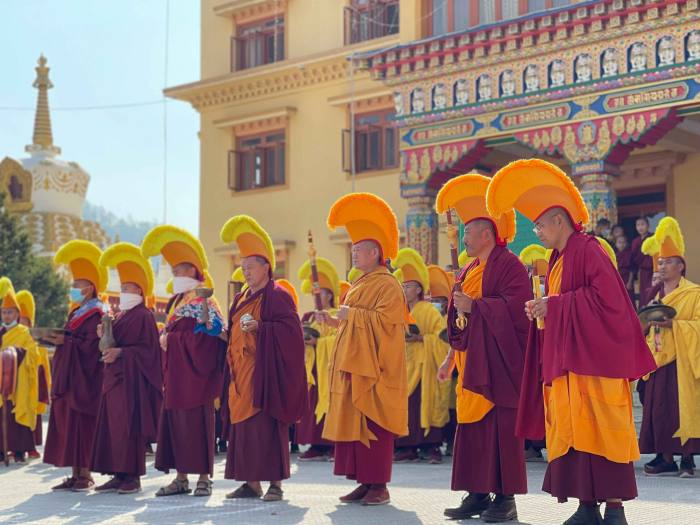
Beyond its spectacular landscapes, the Everest region is deeply rooted in Tibetan Buddhism. Visits to sacred monasteries, ancient chortens, prayer wheels, and beautifully decorated mani walls offer a profound insight into the spiritual traditions that continue to shape daily life in the Himalayas. One of the journey's defining cultural experiences is Tengboche Monastery, the largest and most important monastery in the Everest region. Surrounded by snow-capped peaks, its peaceful atmosphere, chanting monks, and centuries-old traditions provide a memorable pause amidst the physical demands of the trek.
Carefully planned acclimatization days form an essential part of the expedition. Rather than simply resting, these days allow trekkers to explore spectacular viewpoints such as Hotel Everest View and Nangkartshang Peak while enabling the body to gradually adapt to increasing altitude. This measured approach not only enhances safety but also provides additional opportunities to appreciate the extraordinary mountain scenery and unique Himalayan lifestyle.
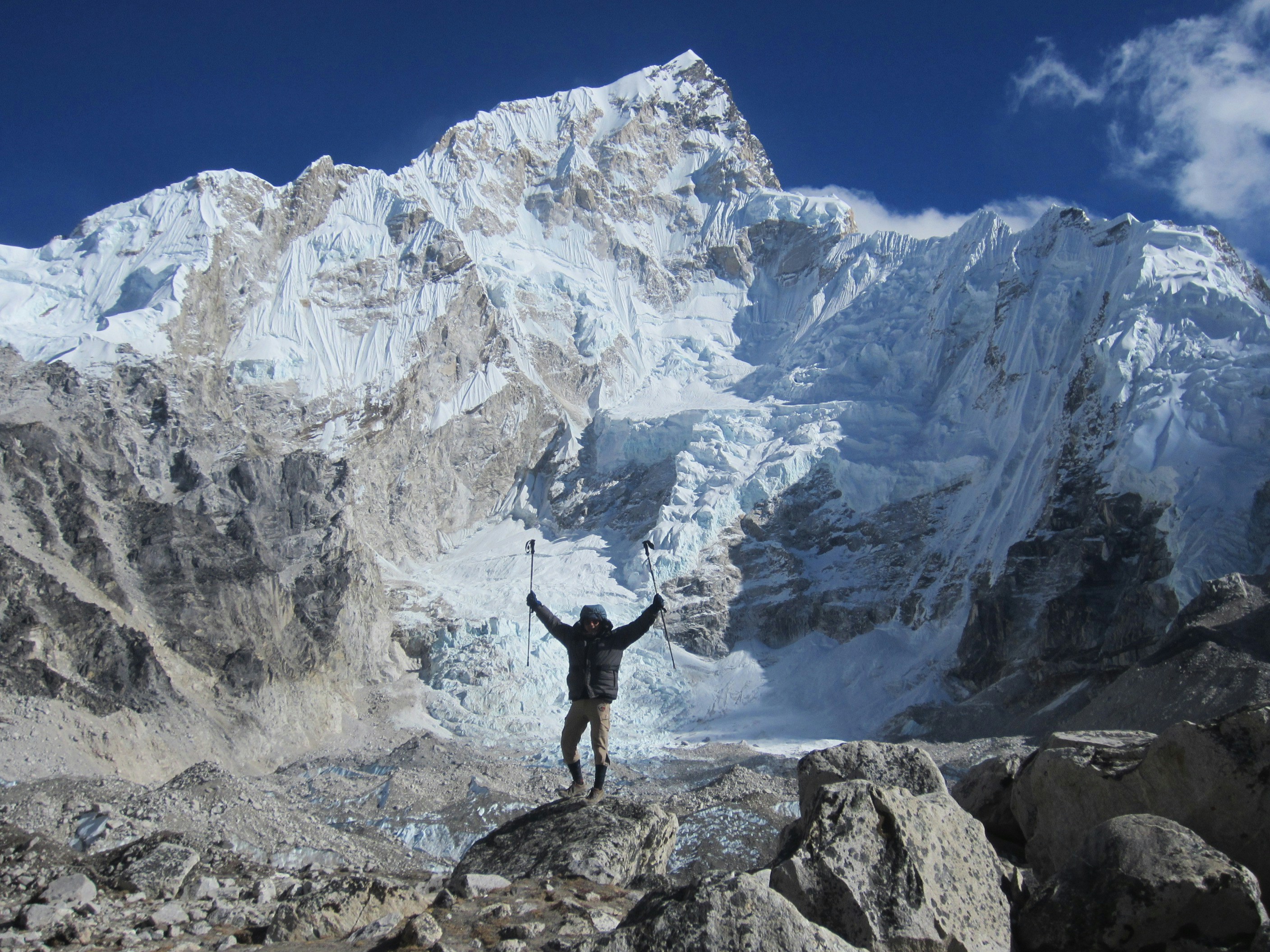
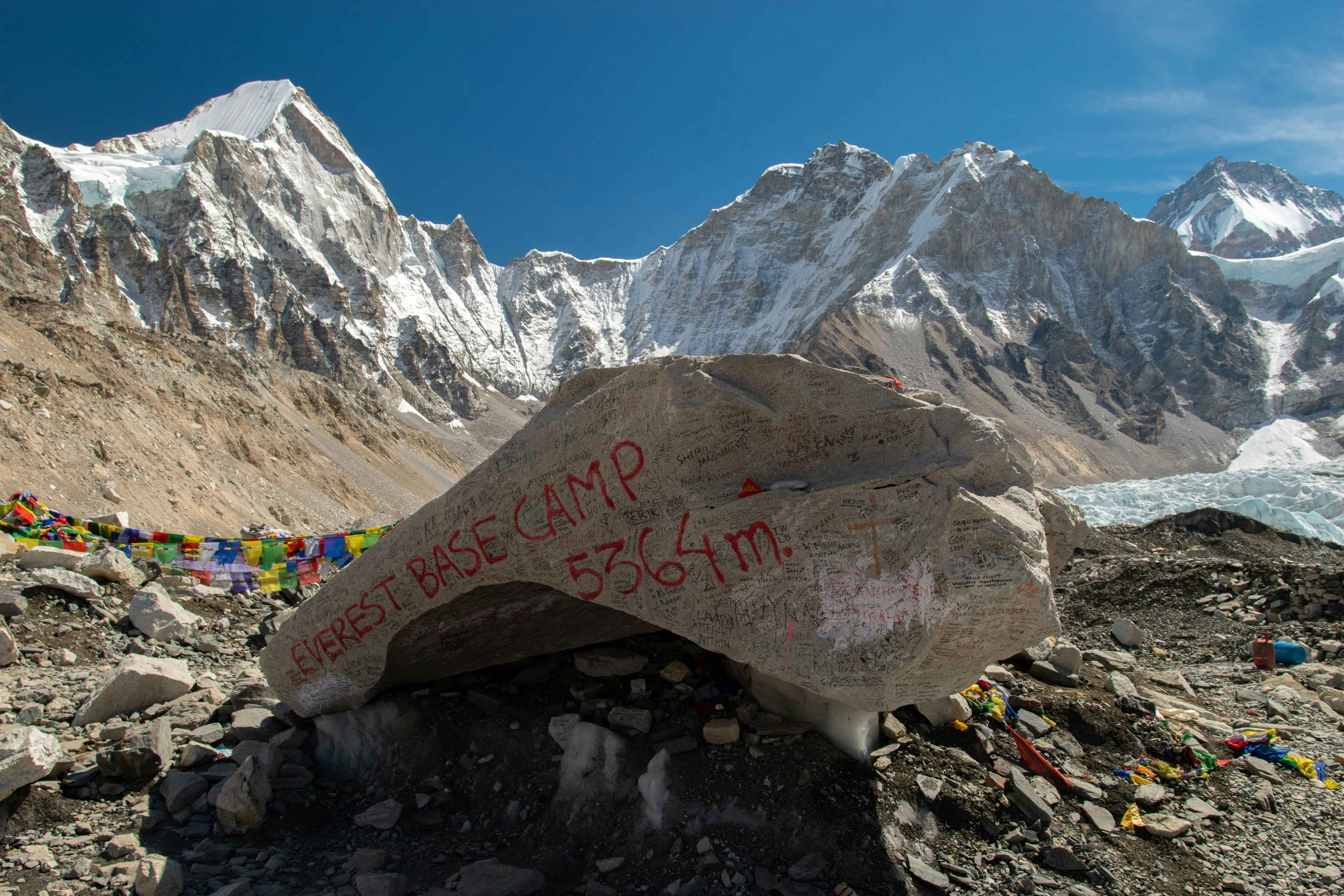
The journey reaches its defining milestone at Everest Base Camp (5,364 metres). Standing beside the mighty Khumbu Glacier, surrounded by towering icefalls and some of the highest peaks on Earth, is a moment few adventures can rival. It is here that climbers from across the globe prepare for their summit attempts, and where trekkers can truly appreciate the immense scale and power of the Himalayas.
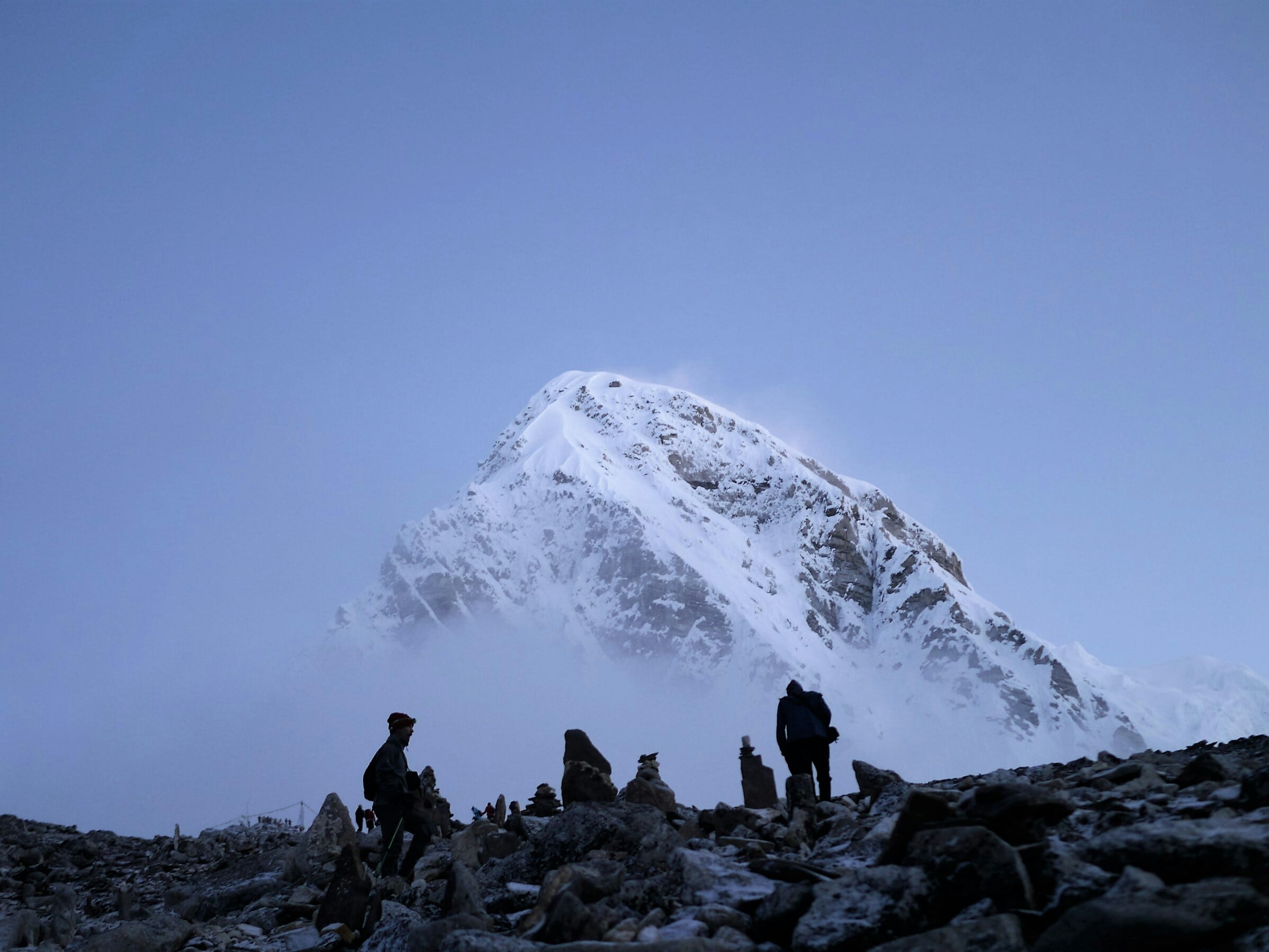
Yet for many, the ultimate highlight comes the following morning with the ascent to Kala Patthar (5,555 metres). As the first rays of sunlight illuminate Everest, Lhotse, Nuptse, Pumori, and the surrounding Himalayan giants, the panoramic views from this celebrated viewpoint become one of the most unforgettable moments of the entire expedition. It is the closest and most rewarding view of Mount Everest available without undertaking a technical climb.
Throughout the trek, accommodation is provided in traditional mountain lodges, offering a warm and welcoming atmosphere after each day's journey. Evenings are spent sharing stories with fellow trekkers, enjoying freshly prepared meals, and experiencing the genuine hospitality for which the Sherpa people are renowned. While the facilities remain simple, they are an integral part of the authentic Himalayan trekking experience, allowing travellers to connect more closely with both the region and its communities.
Although physically demanding, the Everest Base Camp Trek is achievable for anyone with good fitness, determination, and adequate preparation. With experienced guides, carefully paced itineraries, thoughtful acclimatization, and comprehensive logistical support, the journey becomes as safe as it is rewarding.
At Geet Travel, we believe the Everest Base Camp Trek is not simply about reaching a destination. It is about walking through landscapes that have inspired generations, sharing moments with mountain communities whose culture is deeply intertwined with Everest, witnessing the enduring traditions of Himalayan Buddhism, and challenging yourself amidst one of the most extraordinary natural environments on Earth. Every step through the Khumbu reveals a deeper appreciation of the mountains, the people who call them home, and the timeless spirit that continues to draw travellers to Everest year after year.
Whether you are fulfilling a lifelong dream, embarking on your first Himalayan expedition, or returning once again to the world's highest mountains, the Everest Base Camp Trek promises an unforgettable journey where breathtaking scenery, rich cultural encounters, personal achievement, and the timeless grandeur of the Himalayas come together in one of the world's truly iconic adventures.
Top Highlights
Trek to the legendary Everest Base Camp, standing at the foot of the world's highest mountain.
Witness sunrise over Mount Everest from the iconic viewpoint of Kala Patthar (5,555 m).
Experience one of the world's most spectacular mountain flights to Lukla, the gateway to the Everest region.
Trek through Sagarmatha National Park, Nepal's UNESCO World Heritage Site, renowned for its alpine landscapes and unique biodiversity.
Explore traditional Sherpa villages, including Namche Bazaar, Tengboche, Dingboche, and Lobuche.
Visit the renowned Tengboche Monastery, the spiritual heart of the Khumbu, and witness Buddhist prayer ceremonies (subject to monastery schedule).
Walk alongside the mighty Khumbu Glacier and witness the dramatic Khumbu Icefall from Everest Base Camp.
Enjoy breathtaking views of Himalayan giants including Everest, Lhotse, Nuptse, Ama Dablam, Pumori, Makalu, Cho Oyu, Thamserku, Kangtega, Cholatse, and Lobuche.
Cross iconic Himalayan suspension bridges draped with colourful prayer flags above the Dudh Koshi River.
Immerse yourself in the rich culture, traditions, and warm hospitality of the Sherpa people.
Follow centuries-old Himalayan trading and pilgrimage routes that have connected mountain communities for generations.
Stay in authentic Himalayan mountain lodges, experiencing life in remote high-altitude villages.
Experience carefully planned acclimatization hikes to some of the Everest region's finest viewpoints, ensuring both safety and unforgettable scenery.
Journey through ever-changing landscapes—from lush forests and alpine valleys to glaciers, moraines, and rugged high-mountain terrain.
Complete one of the world's most iconic trekking adventures with the support of experienced local guides and trekking crew.
Handcrafted Itinerary
Day 1: Arrival in Kathmandu – Welcome to Nepal
Welcome to Nepal, home to the Himalayas and the starting point of one of the world's most celebrated trekking adventures. Upon your arrival at Tribhuvan International Airport in Kathmandu, our representative will warmly welcome you and transfer you to your hotel. Depending on your arrival time, the remainder of the day is yours to relax after your journey or explore the lively streets surrounding your accommodation.
Kathmandu offers a fascinating first glimpse into Nepal's rich cultural heritage, where centuries-old temples, bustling markets, colourful prayer flags, and the scent of incense create an atmosphere unlike anywhere else in the world. It is the perfect introduction before venturing into the remote landscapes of the Everest region.
In the evening, you'll meet your trekking guide for a comprehensive pre-trek briefing. During this session, your guide will explain the itinerary, discuss altitude awareness, review equipment, answer any questions, and ensure that all trekking permits and logistics are in place. This is also an excellent opportunity to meet fellow trekkers and prepare mentally for the incredible journey ahead.
Spend the evening at leisure before enjoying a comfortable night's rest in Kathmandu.
Overnight: Hotel in Kathmandu
Day 2: Fly to Lukla (2,840 m) & Trek to Phakding (2,610 m)
Day 3: Trek from Phakding (2,610 m) to Namche Bazaar (3,440 m)
Day 4: Acclimatization Day in Namche Bazaar – Hike to Hotel Everest View (3,880 m)
Day 5: Trek to Tengboche (3,860 m)
Day 6: Trek to Dingboche (4,410 m)
Day 7: Acclimatization Day in Dingboche – Hike to Nangkartshang Peak (5,083 m)
Day 8: Trek to Lobuche (4,910 m)
Day 9: Trek to Everest Base Camp (5,364 m) & Return to Gorak Shep (5,190 m)
Day 10: Hike to Kala Patthar (5,555 m) & Trek to Pheriche (4,240 m)
Day 11: Trek to Namche Bazaar (3,440 m)
Day 12: Trek to Lukla (2,840 m)
Day 13: Flight to Kathmandu
Day 14: Departure from Nepal
What is Included
Airport arrival and departure transfers in Kathmandu
2 nights' accommodation in a 3-star hotel in Kathmandu on a twin/double sharing basis
11 nights' accommodation in comfortable mountain lodges/tea houses during the trek
Daily breakfast in Kathmandu
Breakfast, lunch, and dinner throughout the trek
Domestic flights between Kathmandu/Manthali and Lukla (as per seasonal flight operations)
All required airport transfers for Lukla flights
Private tourist vehicle transfers in Kathmandu
Experienced, English-speaking, government-licensed trekking guide
Experienced Sherpa porter (1 porter shared between 2 trekkers; maximum 20 kg combined luggage)
Sagarmatha National Park Entry Permit
Khumbu Pasang Lhamu Rural Municipality Permit
Comprehensive first aid kit carried by the guide
Government taxes and official service charges
Trek completion certificate
Farewell dinner in Kathmandu
What is Excluded
International airfare to and from Nepal
Nepal Entry Visa fees
Travel insurance (mandatory and must cover high-altitude trekking up to 6,000 m, emergency evacuation, and medical expenses)
Personal trekking equipment and clothing
Personal porter for individual luggage (unless requested)
Lunch and dinner in Kathmandu (except the farewell dinner)
Hot and cold beverages, bottled water, alcoholic drinks, and snacks during the trek
Hot showers, Wi-Fi, charging facilities, and laundry services at mountain lodges where applicable
Tips and gratuities for guides, porters, and drivers
Personal expenses such as shopping, telephone calls, bar bills, and souvenirs
Additional accommodation or meals due to flight delays, cancellations, bad weather, natural disasters, illness, or any circumstances beyond our control
Helicopter upgrades between Kathmandu and Lukla (available upon request at additional cost)
Costs arising from early departure, evacuation, or itinerary changes for personal reasons
Any services not specifically mentioned under "What's Included."
Make an Inquiry
You're inquiring about: Everest Base Camp Trek - 14 Days
Frequently Asked Questions
1. How difficult is the Everest Base Camp Trek?
The Everest Base Camp Trek is considered a moderately challenging to challenging trek. While no technical climbing is involved, trekkers should be prepared for consecutive days of walking at high altitude over varied terrain. A good level of fitness and regular walking or hiking experience is recommended.
2. What is the maximum altitude reached during the trek?
3. How many hours will I walk each day?
4. Is altitude sickness a concern?
5. When is the best time to trek to Everest Base Camp?
6. Where will I stay during the trek?
7. Do I need travel insurance?
8. Can beginners complete the Everest Base Camp Trek?
9. What makes the Everest Base Camp Trek so special?
10. Will Geet Travel assist if weather or flight schedules change?
Trip Snapshot
- Duration 14 Days / 13 Nights
- Trip Type Multiday
- Difficulty Challenging
- Best Season Oct - May
Related Experiences
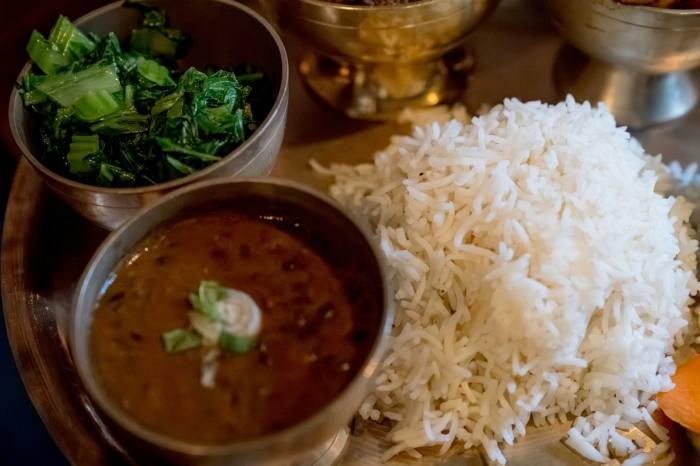
Kathmandu: Traditional Leaf Plate Craft & Nepali Home Cooking Experience
- Nepal
- 4 - 5 Hours
View trip